
More Information
Submitted: July 17, 2026 | Accepted: July 22, 2026 | Published: July 24, 2026
Citation: Qayyum M. The Significance of Artificial Intelligence in Pakistan’s Education System for the Future Young Generation. J Artif Intell Res Innov. 2026; 2(2): 75-82. Available from:
https://dx.doi.org/10.29328/journal.jairi.1001021
DOI: 10.29328/journal.jairi.1001021
Copyright license: © 2026 Qayyum M. This is an open access article distributed under the Creative Commons Attribution License, which permits unrestricted use, distribution, and reproduction in any medium, provided the original work is properly cited.
Keywords: Artificial Intelligence; Pakistan education system; Digital divide; Youth employability; AI-powered tools; Human capital theory; Mixed method research

The Significance of Artificial Intelligence in Pakistan’s Education System for the Future Young Generation
Muhammad Qayyum*
Department of International Relations, National Defense University Islamabad, Islamabad, Pakistan
*Corresponding author: Muhammad Qayyum, Department of International Relations, National Defense University Islamabad, Islamabad, Pakistan, Email: [email protected]
In the contemporary era of transformation, artificial intelligence has emerged as a defining force reshaping educational systems, labour markets, and human capabilities across the world. The study investigates the significance, challenges, scope, and potential of AI-powered tools in shaping the education system, particularly focusing on Pakistan’s young generation. The research also examines secondary data the Pakistan Economic Survey 2024-25, the Pakistan Telecommunication Report 2024-25, and the World Economic Forum’s Future of Jobs Report 2025-30 and includes qualitative analysis through five theoretical frameworks: the Technology Acceptance Model (TAM), Connectivism Theory, Human Capital Theory, Digital Divide Theory, and Diffusion of Innovation Theory.
Findings indicate that the overall literacy rate in Pakistan is 60.65%, with a persistent gender gap and an uneven distribution of digital infrastructure. Local areas possess only 12% computer labs and 14% internet facilities, while the country simultaneously reports 200 million telecom subscribers and 150 million broadband connections. Despite this potential, the study finds that Pakistani youth are held back by an implementation gap driven by the absence of a coherent national policy. Consequently, the research recommends that policymakers prioritize awareness of AI-powered tools, training capability, and advanced learning skills by strengthening institutions such as NAVTTC, PITB, KPITB, and the Virtual University, in order to prepare the country’s youth for the global technology competition.
In the age of science and technology, Artificial Intelligence has transformed the world from traditional to modern societies. As artificial intelligence increasingly influences human behavior and decision-making capability, its understanding has become necessary for the contemporary world [1].
Advanced AI connected the world and tutoring to various regions and people of diverse cultures, region, and beliefs, familiar to each other as belonging to the same place [1]. The rapid and advanced revolutionary AI technologies have reduced geographical barriers and expanded access to education and skill development related to economic, social, cultural, and educational spheres.
Furthermore, the AI plays a crucial role in the field of education by providing diverse opportunities for learning skills, improving job efficiency, supporting decision-making, and fostering the critical and logical thinking process. And AI-powered tools like Claude AI, Deepseek, ChatGPT, and Grammarly enhance the learning experiences and quality of knowledge acquisition. As a result, AI expanded the educational opportunities and opened new pathways of innovation, lifelong learning, and academic development.
Many countries of the world have acquired the status of great and developed nations due to the growth of advanced technological sentiments. But, the regional countries like China and India promote the AI learning facilities among the youth that become true in decision-making and analogical thinking criteria. The developed countries also utilize the facilities of AI tools for the young future generation, which provide education through online tutoring, humanoid robots, and content recommendations. Pakistan has the world’s youngest population, but there are some opportunities and challenges to seek AI knowledge. With the consultation of the Ministry of (IT) information Technology and Telecommunication [3], the government of Pakistan endorsed the path towards AI work.
Pakistan’s National Policy of 2025 highlights how the use of AI technology in educational aspects is essential to the growth of young students and the development of the country. Some policymakers acknowledged that the performance of artificial intelligence in academia improves the educational results and enhances the visualization of deep learning skills. During the time of the COVID-19 pandemic, the possibility occur the online education through the AI digital method. For instance, in Pakistan, there is a big difference in the quality of education between urban and rural areas, but AI learning and efficient use provide equal opportunities for seeking education, same as elite acquisition.
Furthermore, the integration of AI in academia is not only a technological revolution in the advanced world, but also a state sovereignty, justice, and institutional capacity. “Pakistan’s AI future depends less on building frontier models that ensure citizens’ guardrails of data sovereignty, algorithmic fairness, clear liability, and innovation without digital overreach”. However, to meet the essential requirement, Pakistan also requires the fundamental knowledge of this field because developed countries of the world has its own algorithms and AI models. Because in cyberwarfare, digital data is a state’s sovereign entity. Pakistan is a developing country, and insufficient resources and a lack of teacher staff require promoting the AI- powered tools to expand education in local areas with great opportunity and equity.
The research indicates that what is the scope and significance of AI in the educational field, and how Pakistan can adopt and utilize digital infrastructure to expand AI learning and brighten the future of the young generation in academia.
Problem statement
The world is connected to advanced AI technical equipment and has an awareness of AI-powered tools. Through these learning models, and get the knowledge of world-enhancing economic, educational, cultural, and societal growth. The USA in the modern world attributed nearly 50% of its economic development through AI technological aspects [2]. Another great challenge in Pakistan is insufficient training because the traditional method of learning does not provide accurate knowledge of advanced learning in the period of modern cyber warfare. The lack of awareness related to the utilization of AI tools and training capability triggers challenges and inequalities in getting the quality of education via scientific method knowledge. The lower institutions and middle-class students of Pakistan are not aware of the benefits of AI-powered services like ChatGPT 5, Claude AI, DeepSeek, and other technological equipment associated with AI. The myth is that middle-class students utilize ChatGPT for their own convenience, like making assignments and presentations. But the problem is that the middle class is not well aware of the benefits of these intelligent tools, because students do not try to learn analytical and problem-solving methods through ChatGPT 5. The frequent use of ChatGPT in institutions to enlarge the wisdom of learners and provide complex and analytical tasks, which stimulates the intellectual capabilities. The traditional school of thought faculty does not promote the real knowledge of AI-powered tools due to a lack of sufficient knowledge related to advanced models.
Therefore, the gap between the potential significance of AI-powered tools improving the educational quality and awareness of these tools by providing actual pathways to enlighten the future of Pakistan’s youth, and encompassing the awareness of integration among schools, colleges, universities, and administrative personnel. The study gap indicates the actual problem lead to improve the best digital method of advanced learning skills for the future of the Pakistani young generation.
Research objective
- To explore the awareness and significance of AI as an advanced method of learning skills among the Pakistani future young generation.
- To examine how the students can enhance critical thinking and problem-solving techniques via an AI-powered tool approach and enhance their intellectual capabilities.
- To highlight the importance of Chat-GPT 5 and Claude AI as effective ways to improve the analytical thinking criteria.
- To study how the AI-powered tools improve the traditional educational quality in a modern way of advanced learning skills.
- To identify the challenges and barriers (infrastructural, financial, and pedagogical) to the effective use of AI in Pakistan’s educational system.
Research questions
- What is the significance of AI-powered tools among Pakistani youth in enhancing analytical capability and improving the quality of educational institutions?
- What is the AI perception and effective ways to enhance and enlighten the future of the Pakistani young generation?
- What are the obstacles and challenges that Pakistani youth does not acquire the modern knowledge and analogical skills through advanced technology?
- What is the way forward to encourage the youth with a digital way of effective learning and promote awareness related to accurate knowledge?
Policy makers
The research concludes that the policy makers encompass the AI-powered tools like ChatGPT 5, Gemini AI, which must be effectively used in educational institutions. Pakistan’s National Policy of AI 2025 must be implemented and enforced for the betterment and development of the future young generation. Because the ground-level issues related to these AI tools are also highlighted, and the implementation requires equity and high-standard education among the middle and higher-class population.
Educational institutions
Therefore, schools, colleges, and universities are the best places that can be used to brighten the youth through AI’s powerful tools. This can be widely used to utilize the AI policy for the prosperity of the country in educational criteria.
Students
The study also investigates how students can utilize the AI tools for advanced knowledge skills related to their future jobs.
Educators
To examine the research indicates that the AI approach has trained the traditional tutoring method into a modern style, because it has become mandatory for the public sector institutions. How AI-powered tools enhance the capabilities of advanced learning, like logical, technical, and critical problem solving in academia.
National policy makers
Policymakers in Pakistan must focus on the research gaps related to the effective use of AI in academia and expand the information that triggers the hindrances or barriers of AI-related studies. The future young generation of Pakistan can get many opportunities through generative AI skills.
Global perspectives of AI in education
The AI role in education has become an essential need for every developed or developing nation in the world. Because it connected diverse geographical regions of the world and enhanced the analytical and intellectual capabilities of various regions by providing educational skills through AI digital infrastructure. Harvard University in the USA also provides various opportunities for higher and advanced standard education, and provides certificates throughout the world [4].
AI adoption and readiness in Pakistan’s higher education
Pakistan must adopt the latest AI development structure in educational institutions, particularly to promote standard education. According to the survey of Higher Education Index, Pakistani Institutions and educators implement the true knowledge related to the AI use and its opportunities in educational fields. This awareness shapes the new pathways of learning skills and diverse economic, social, and cultural benefits (Figure 1).
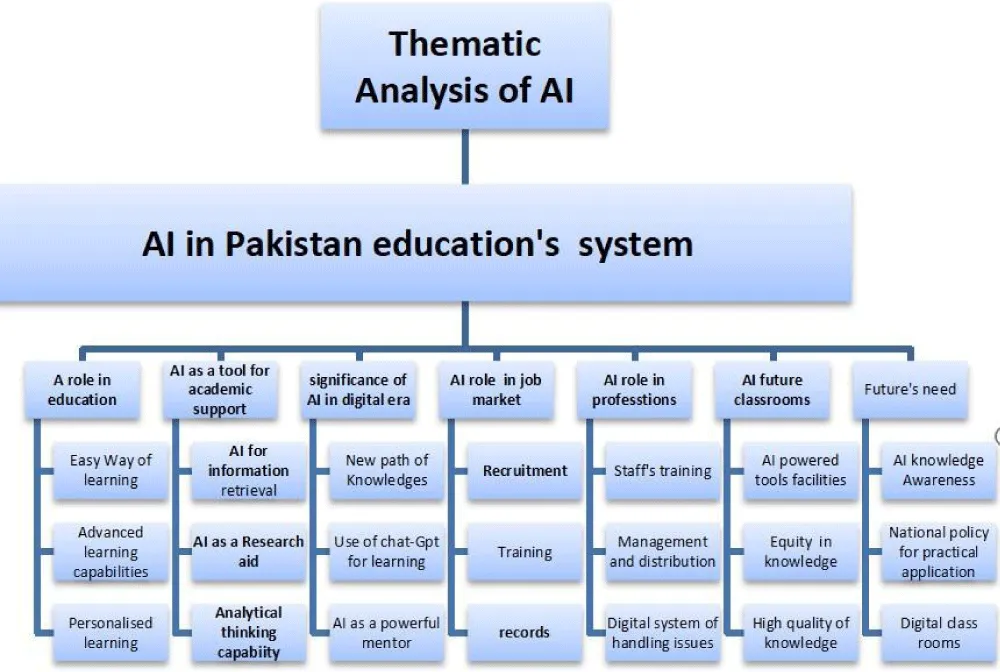
Figure 1: AI adoption and readiness in Pakistan’s higher education.
For instance, the developed nations, through these technical advancements and the utilization of AI-powered tools, promote the educational, economic, and social benefits.
Infrastructure gaps and digital divide
According to the ASER Annual Survey Economic Report of 2023 [5], Pakistan has insufficient resources related to AI infrastructure. Local areas have almost 12% computer labs in educational institutions and 14% internet facilities. While in the urban areas, 23% computer labs and 21% internet facilities. To enhance educational capabilities, the country must invest in educational infrastructure (Figure 2).
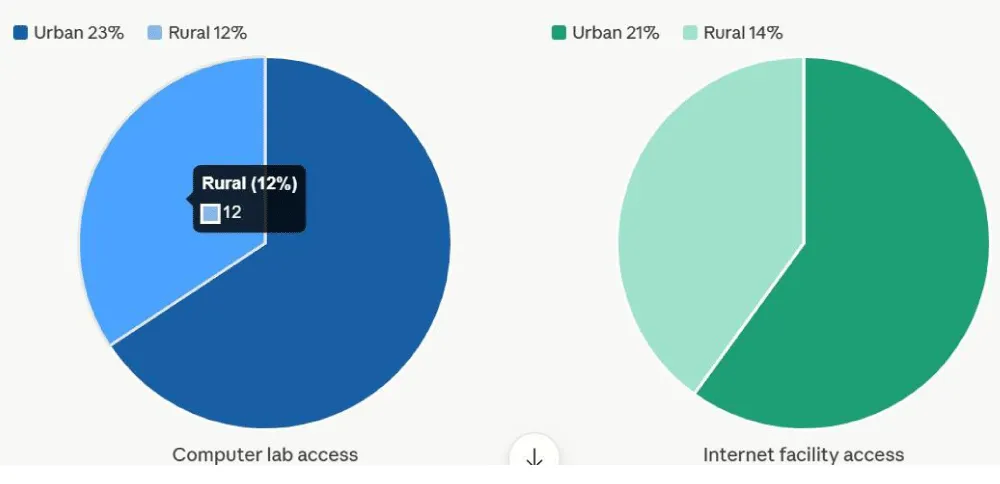
Figure 2: Digital infrastructure gaps (computer labs and internet access), urban vs. rural areas.
Scope of the study
- The study also emphasizes that the awareness of AI is essential among teachers and students of universities, colleges, and high schools.
- Therefore, Pakistani youth need to enhance their intellectual learning capabilities, and algorithm design knowledge is necessary for state security.
- The research gap indicates that to cover the inefficient gaps in educational institutions and knowledge through AI.
- The research also suggests that to provide high-quality education to local areas, youth like urban areas via AI- powered tools.
- Securitization of the country's digital data by increasing the knowledge of this platform among the population.
Technology acceptance model
In this technological model, people adopt the new technology when they feel it is more flexible for their needs because it provides convenience and supports effective use [6]. However, the adoption of this technology is very significant for the developing world, such as Pakistan. Through this technology, people can get more opportunities to learn and develop their cognitive abilities. Unfortunately, in Pakistan, there is a lack of awareness related to the acceptance of AI-powered tools in education. Because Pakistan’s educational system is based on the traditional way in a pragmatic system. On the other hand, AI has become a future classroom of the world. In this way, state development needs to adopt this model to provide equal opportunities for knowledge in local areas, via these AI- powered tools (Figure 3).
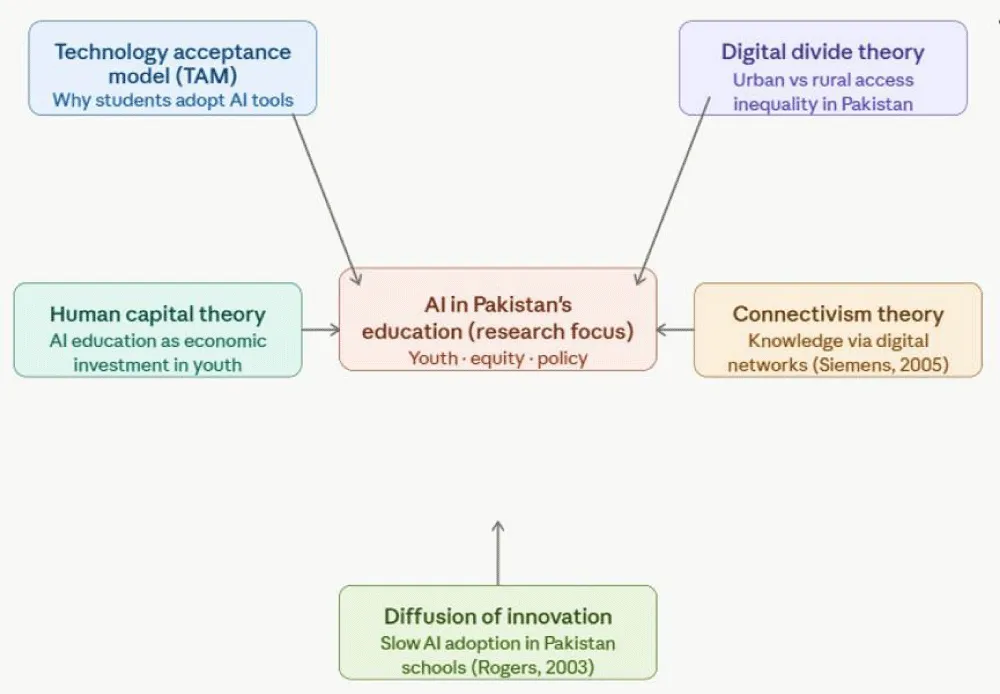
Figure 3: Theoretical framework guiding the study.
Digital divide theory
The theory indicates the inequality in technological access. But it is not due to the absence of technological equipment like devices or the internet.
The study indicates that a lack of skills, motivation, and limited access to the benefits of digital devices [7]. In Pakistan, there is inequality in the educational system. The students in urban areas have better access to digital devices than the students in the local area. That’s why local area educational sectors’ staff lack awareness and insufficient training triggers not to adopt AI-powered tools like Chat-GPT, Claude AI, Deep seek to create more education opportunities.
Human capital theory
The theory also elucidates that education is an investment in people’s skills, productivity, and economic potential.
For instance, Artificial intelligence in Pakistan is preparing Pakistani youth for jobs in data automation, software, cybersecurity, entrepreneurship, and digital services.
Connectivism theory
The theory emphasizes that, actually, knowledge cannot come through books, classrooms, and teachers. But it occurs due to networks and digital platforms such as online communities data bases and technology systems [8].
According to this theory, AI-powered tools and their effective use in Pakistan’s education enhance the capabilities of learning conveniently and efficiently. Because AI changes students’ access to knowledge, and students use AI tools for explanation, translation, coding support, research guidance, as well as skills learning.
Diffusion of innovation theory
The theory explores how new ideas, technology, or practices spread in a society or institution. People are reluctant to adopt this new technology at the same speed, but it takes time [9].
However, in Pakistan, the effective use of AI-powered tools in education lags due to limited awareness of the benefits of emerging technology in the educational system.
Findings and data analysis
The findings below summarise secondary data sources rather than the primary student, teacher, and policymaker data described in the Research Methodology section; that primary data collection is proposed for a subsequent research phase.
Pakistan’s literacy landscape
Pakistan Economic Survey Report 2024-25, published by the Finance Division Govt of Pakistan Report total literacy rate of Pakistan 60.65%, where the male literacy rate is 68%, and the female literacy rate is 52.84% [10]. According to research, there is 74.9% in urban areas and 51% female. As shown in the Figure 4.
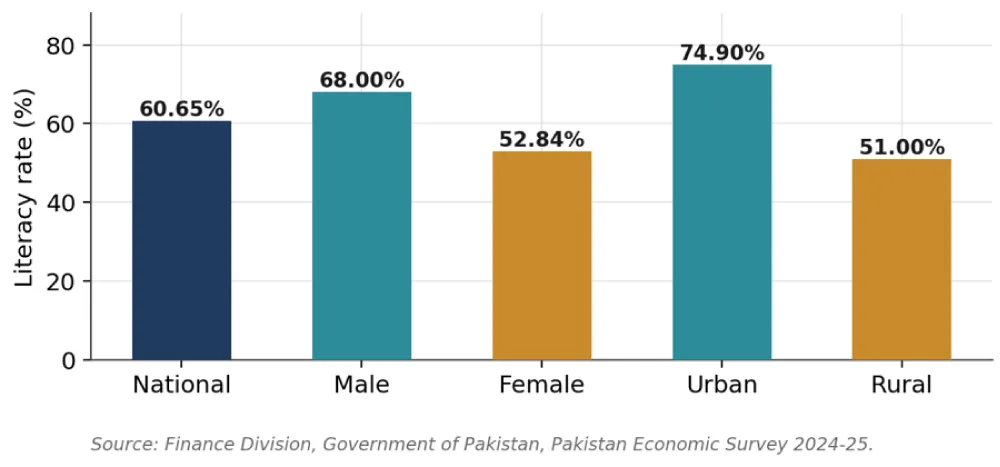
Figure 4: Literacy rate in Pakistan by gender and region (Pakistan Economic Survey 2024-25).
However, AI advanced learning skills through AI-powered tools that enhance critical thinking, problem-solving, and the utilization of digital tools for convenient and effective use in local areas to promote equal educational opportunities. Furthermore, AI education should not be limited to elite institutions.
Digital foundation for AI education
Pakistan Telecommunication Report 2024-25 [11]. AT least 200 million telecom subscribers and more than 150 million broadband connections. Another report also mentioned that Pakistan is much stronger than in networks like telecom coverage, more than 90%, and broadband. This means that Pakistan has the ability in AI technological knowledge, but lacks resources and weak implementation of AI-powered tools. In this way, Pakistan can also improve (Figure 5).
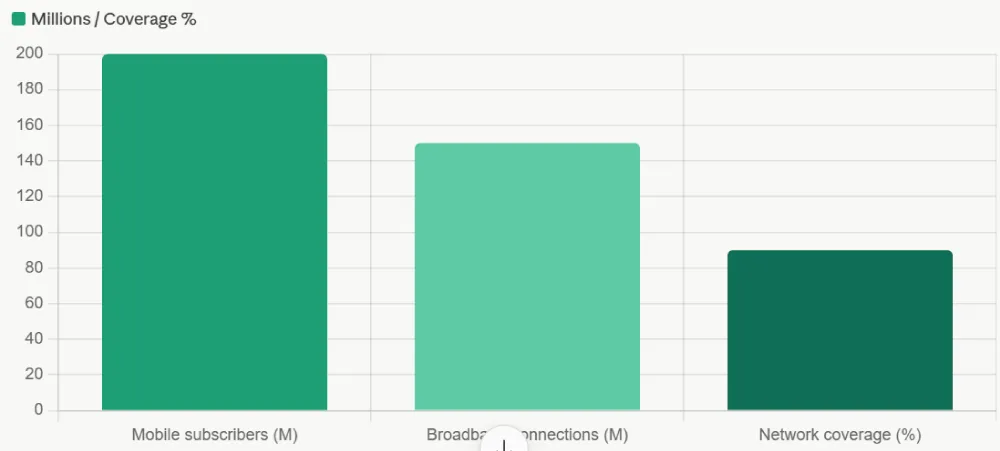
Figure 5: Telecom and broadband penetration in Pakistan (Pakistan Telecommunication Report 2024–25).
Future jobs and youth skills
According to the World Economic Forum’s Future of Jobs Report 2025-2030 [12], in this project, almost 170 million new jobs were created globally, and 92 million jobs were displaced. However, it is an opportunity for a developing country such as Pakistan. Because Pakistani youth need literacy of data skills, digital problem solving, and cyber security awareness is not optional. However, Pakistan also trained young students for the future labour market by connecting AI with employability, freelancing, and technology learning for the development and growth of the state (Figure 6).
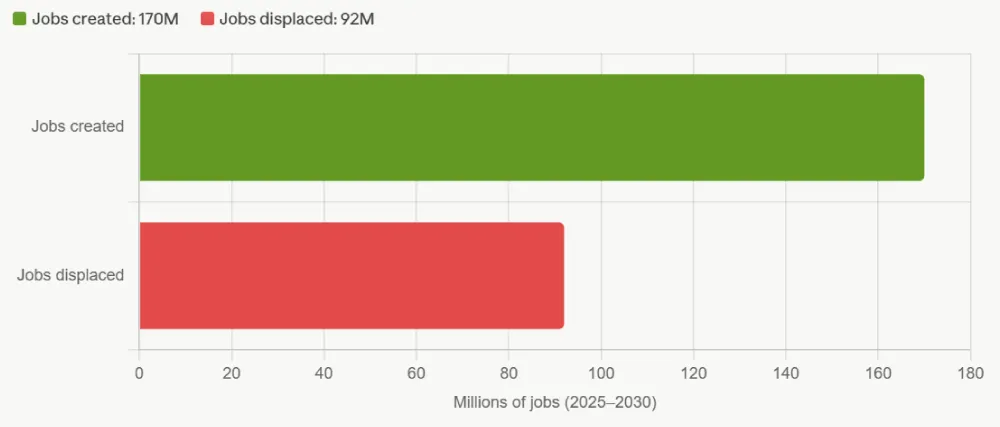
Figure 6: Projected job creation and displacement (WEF Future of Jobs Report 2025–2030).
The mixed-methods design outlined below. It includes the proposed sample of 200-300 students and semi-structured interviews with teachers and policymakers and sets out the research framework recommended for a full empirical follow-up study. The findings reported in the next section are drawn from secondary sources (The Pakistan Economic Survey 2024-25, the Pakistan Telecommunication Report 2024-25, and the WEF Future of Jobs Report 2025-2030) together with the theoretical literature; primary data collection under this design has not yet been completed and is proposed as the next phase of this research programme.
The study elucidates the mixed-methods research design, which includes both quantitative and qualitative approaches. It also examines the significance and awareness of AI-powered tools in Pakistan’s education system. The mixed-methods research further elaborates on the role of AI in academia in shaping the behavior of Pakistan’s future young generation.
The quantitative research emphasizes scale and pattern study, which refers to AI awareness among Pakistani youth. The qualitative study focuses on the in-depth meaning perspectives of policy makers and teachers.
However, the diagram also mentions the qualitative and quantitative perspectives of mixed-method research (Figure 7).
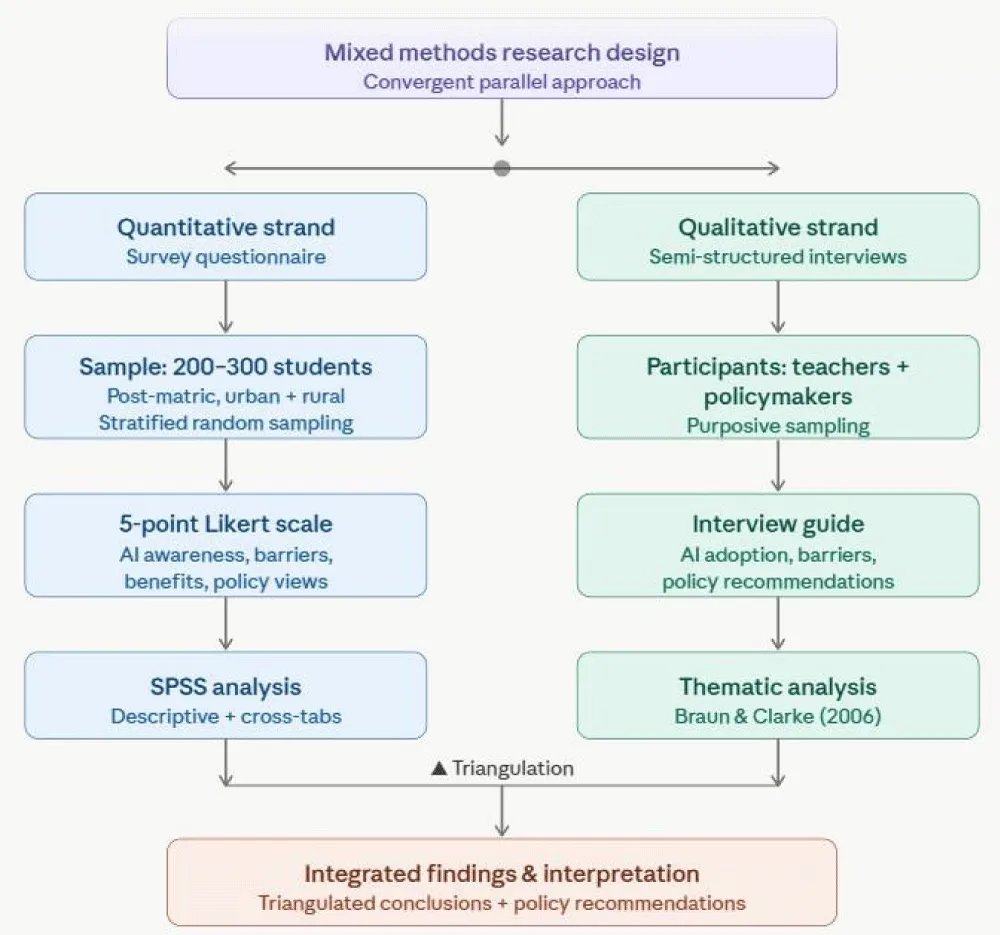
Figure 7: Mixed-methods research design used in this study.
Population and sample
Quantitative sample: Students
The study comprises a sample of 200-300 students belonging to colleges and Universities, and randomly selected the students (Figure 8).
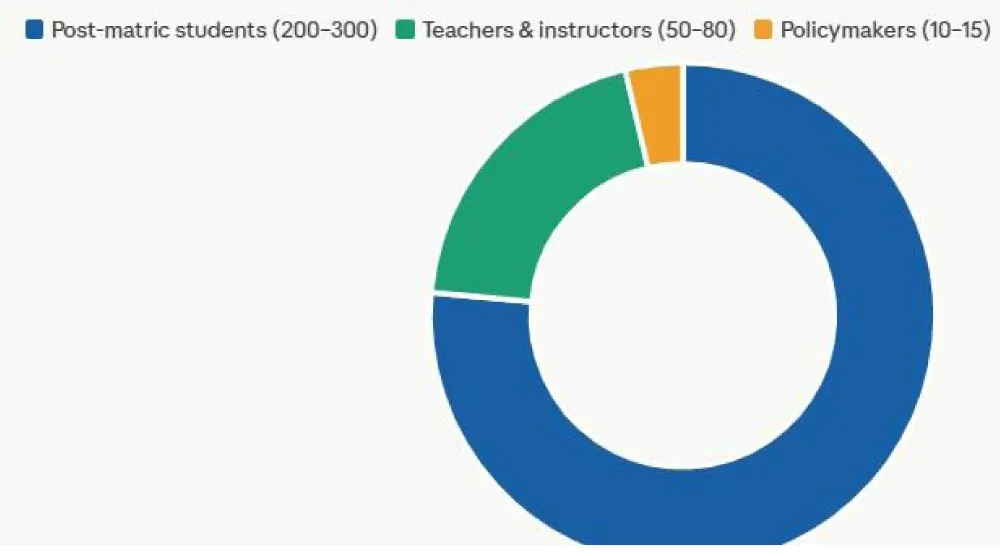
Figure 8: Population and sampling strategy.
Gender: The study comprises both males and females
Geographic location: The research explores the data of institutions in urban and rural areas.
Institution type: The sample was conducted from public and private sector universities.
Province: Punjab, KPK, Balochistan, and Sindh
Qualitative sample: Teachers, Institutions, and Policy Makers
The qualitative study also explores the semi-structured method. The semi-structured method consists of two categories.
Teachers and instructors
The researchers conducted a study of faculty members from colleges and universities who were interviewed to assess their personal awareness related to AI-powered tools and their current integration of AI into teaching practices, and the institutional barriers they encounter in adopting advanced technology. Because artificial intelligence is known as the future of our classrooms.
Policy makers
A select group of policymakers and administrators was consulted, including personnel from relevant bodies, such as NAVTTC, PITB, KPITB, and higher education regulatory institutions.
Their strategy was to promote AI-powered tools for educational institutions and to provide equal opportunities for education in both urban and local areas for national development and growth. Some policies and gaps were also highlighted that are barriers to adopting AI integration.
Ethical considerations
The proposed primary-data phase of this study will follow standard ethical research protocols. Informed consent will be obtained from all student, teacher, and policymaker participants prior to data collection; participants will be briefed on the study’s purpose, their right to withdraw at any stage without penalty, and the confidentiality of their responses. Institutional approval will be sought from the participating universities and colleges, and all data will be anonymised and stored securely.
Reliability and validity
To strengthen the credibility of the proposed quantitative instrument, the structured questionnaire will be piloted with a small sample before full deployment, and its internal consistency will be assessed using Cronbach’s alpha. Content validity will be established through expert review by faculty in education and AI policy. For the qualitative component, credibility will be supported through triangulation across teacher and policymaker interviews, and an audit trail of interview notes will be maintained to support the dependability and confirmability of the findings.
Data collection instruments
Structured questionnaire (Quantitative): A structured questionnaire merely based on 5 points scale, that commence from 1= strongly agree, to 5= strongly disagree (Figure 9).
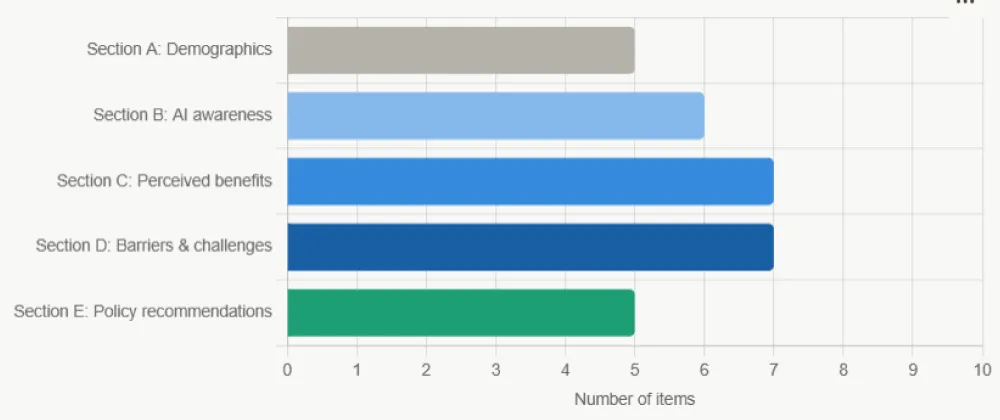
Figure 9: Structured questionnaire sections overview.
The questionnaire survey consists of the following questions.
Section A: Demographic Information
Section B: Awareness and familiarity of AI advanced technology (CHAT-GPT, Grammarly, Claude AI, Deepseek)
Section C: How to perceive the benefits of learning critical thinking and problem solving.
Section D: what are the barriers and challenges to access and use of the AI Technology
Section E: Student exceptions and recommendations for the effective use of AI in the education system.
Recommendations for policy and practice
Out-of-school children: AI-based learning. According to the report of UNICEF (United Nations International Children’s Emergency Fund).
According to a UNICEF report, 2.50 [13] million children, almost 5-12-year-old children, remain under the age of 5. However, AI is not focused on regular focusing. But AI enhances actual learning capabilities and develops critical thinking like low standard students in local areas.
Pakistan needs a national-level strategy
Pakistan must introduce a national-level strategy in which prioritize the public sectors in the rural areas, girls out of educational facilities, and low-income students, and create awareness related to the effective use of AI-powered tools such as ChatGPT, Grammarly, Claude AI, DeepSeek and advanced technology for the benefit of the beneficiary rather than a threat to the cognitive mind.
Micro-certificates and AI short-term training
In this way, micro-certificates can help Pakistani youth to gain employable AI skills without waiting for a long time degree programs.
For instance, the certification of the Virtual University of Pakistan, NAVTTC(National Vocational and Technical Institution), PITB(Punjab Information Technology Board), and KPITB(Khyber Pakhtunkhwa Information Technology Board) institutions can train youth with advanced AI technology.
Limitations of the study
This study is subject to several limitations. First, as noted above, the empirical findings presented here draw on secondary data sources rather than the primary student, teacher, and policymaker data described in the proposed mixed-methods design; that primary data-collection phase remains for future research. Second, the secondary sources used — national economic, telecommunication, and global labour-market reports — describe conditions at the national level and may not fully capture variation across provinces, institution types, or urban–rural contexts. Third, reliance on English-language and government-published sources may exclude perspectives available only in Urdu or regional-language materials. These limitations should be kept in mind when interpreting the study’s conclusions and are addressed in the recommendations for future empirical research above.
Artificial Intelligence plays a transformative role in shaping Pakistan’s future young generation. But there are some policy implementation issues related to the spread of AI advanced awareness, insufficient pedagogical training capability, and a lack of a national-level strategy. Unequal digital distribution, 15% gender literacy gap, and poor quality of infrastructure in local areas trigger the country’s weak strategies to educate youth. The current study encompasses the integration of AI-powered tools in academia, which must be the national-level strategy, because the Pakistan Telecommunication Report 2024-25 emphasizes that in Pakistan 200 million telecom users and 150 million broadband connections. That’s why youth have the talent, but a lack of an AI implementation policy is the obstacle that is hindering progress.
However, the use of artificial intelligence at local institutions challenges the traditional way of teaching methods. In the contemporary world, AI has dominated the world in cyber security, digital classrooms, and global markets. In this way, Pakistani youth have the potential to learn skills in AI to participate in global competition. According to the report of the World Economic Forum, about 170 million jobs are expected to be announced by 2030. Therefore, it is a great opportunity for Pakistan’s future young generation to enhance their learning capabilities related to AI knowledge.
To bridge this gap, the recommendation policy related to advanced AI technology recommends a national strategy for the adaptation of AI technology based on the three pillars: first, awareness of AI ChatGpt, Claude AI, Grammarly, and DeepSeek in academia, and develop analytical skills rather than cognitive mind issues. Second, trained teachers and instructors through the latest pedagogical AI- powered tools. Third, national policy must be required to implement AI technology with equal digital distribution in rural and urban areas to shape the behaviour of society and transform knowledge of AI among youth to achieve short term goals through VU, NAVTTC, PITB, KPITB institutions.
As a result, AI has dominated the world and become crucial for Pakistan in the 21st century. So, the growth, development, and security of Pakistan must integrate advanced AI technology in academia.
- Hassan M. Artificial intelligence and human behaviour in the digital age. Lahore: Knowl edge Press; 2025.
- Anand R, Kumar P, Singh A. Artificial intelligence and economic transformation: a global perspective. J Technol Dev. 2025;12(3):45 67.
- Ministry of Information Technology and Telecommunication, Government of Pakistan. Pakistan National Artificial Intelligence Policy 2025. Islamabad: MoITT; 2025. Available from: https://noitt.gov.pk
- Bharat S. Global AI education initiatives and their implications for developing nations. Int J Educ Technol. 2025;8(1):12 28.
- ASER Pakistan. Annual status of education report 2023: Ustad - National. Lahore: South Asian Forum for Education Development (SAFED); 2023. Available from: https://www.aserpakistan.org
- Schorr A. Technology acceptance model in educational settings: a systematic review. Educ Technol Res Dev. 2023;71(2):341 67. Available from: https://dx.doi.org/10.1007/s1142302310198z
- Reynolds T. Digital divide theory: access, skills, and motivation. J Digit Inclusion. 2020;4(1):22 39. Available from: https://dx.doi.org/10.1080/15391523.2020.1741945
- Siemens G. Connectivism: a learning theory for the digital age. Int J Instr Technol Distance Learn. 2005;2(1):3 10. Available from: https://www.itdl.org/Journal/Jan_05/article01.htm
- Rogers EM. Diffusion of innovations. 5th ed. New York: Free Press; 2003.
- Finance Division, Government of Pakistan. Pakistan economic survey 2024-25. Islamabad: Ministry of Finance; 2025. Available from: https://www.finance.gov.pk/survey/chapters_25/Pakistan_Econonic_Survey_2024-25.pdf
- Pakistan Telecommunication Authority. Annual telecom indicators report 2024-25. Islamabad: PTA; 2025. Available from: https://www.pta.gov.pk/en/telecon-indicators
- World Economic Forum. Future of jobs report 2025-2030. Geneva: WEF; 2025. Available from: https://www.weforum.org/publications/the-future-of-jobs-report-2025/
- UNICEF Pakistan. Out of school children in Pakistan: challenges, barriers, and pathways. New York: United Nations Children's Fund; 2024. Available from: https://www.unicef.org/pakistan/education