
More Information
Submitted: July 13, 2026 | Accepted: July 23, 2026 | Published: July 24, 2026
Citation: Qian Z, Zhou Y, Lin R, Hong Y, Xu Y, Li S, et al. Deep Learning and Artificial Intelligence in the Design of Angiotensin-Converting Enzyme (ACE) Inhibitory Peptides. J Artif Intell Res Innov. 2026; 2(2): 83-98. Available from:
https://dx.doi.org/10.29328/journal.jairi.1001022
DOI: 10.29328/journal.jairi.1001022
Copyright license: © 2026 Qian Z, et al. This is an open access article distributed under the Creative Commons Attribution License, which permits unrestricted use, distribution, and reproduction in any medium, provided the original work is properly cited.
Keywords: Angiotensin-converting enzyme; ACE inhibitory peptides; Deep learning; Protein language models; Generative models; De novo peptide design

Deep Learning and Artificial Intelligence in the Design of Angiotensin-Converting Enzyme (ACE) Inhibitory Peptides
Zhangheng Qian1 , Yunuo Zhou1, Ruotong Lin2, Yang Hong1, Yunzhe Xu1, Shipeng Li1, Jiangcheng Gao1, Qiurui Zhu1 and Heng Zheng1*
1School of Life Science and Technology, China Pharmaceutical University, Nanjing 211198, People’s Republic of China
2State Key Laboratory of Natural Medicines, China Pharmaceutical University, Nanjing 211198, People’s Republic of China
*Corresponding author: Heng Zheng, School of Life Science and Technology, China Pharmaceutical University, Nanjing 211198, People’s Republic of China, Email: [email protected]
Background: Hypertension is a major modifiable risk factor for cardiovascular disease (CVD), and angiotensin-converting enzyme (ACE) remains a principal target within the renin-angiotensin-aldosterone system (RAAS). Food-derived ACE inhibitory peptides (ACEiPs) are attractive because of their specificity and generally favorable safety profile, but conventional discovery through protein hydrolysis, fractionation, purification, and repeated activity assays is labor-intensive and samples only a small fraction of the possible sequence space. Scope and approach: Unlike reviews that consider databases, predictive models, generative methods, or structural validation as separate topics, this review organizes these components into an integrated closed-loop workflow. It connects curated ACEiP data, sequence and chemical encodings, machine-learning and deep-learning predictors, de novo generation, structure prediction, docking, molecular dynamics, free-energy estimation, experimental validation, and feedback-guided model refinement. Key findings and conclusions: The analysis shows that database heterogeneity, inconsistent IC50 assay conditions, class imbalance, and sequence redundancy can limit model generalization. For short food-derived peptides, simple composition and physicochemical descriptors remain competitive baselines; protein language models (PLMs) can add contextual information but may be affected by protein-to-peptide domain shift, whereas SMILES and self-referencing embedded strings (SELFIES) are most useful when atom-level connectivity, stereochemistry, or non-canonical residues must be represented. A practical post-screening stage should jointly assess potency, ACE-domain binding, gastrointestinal stability, permeability, solubility, toxicity, allergenicity, and manufacturability. Progress toward translation therefore depends on a closed loop in which experimentally measured activity and developability data update the training set and guide subsequent design cycles.
Hypertension is a major modifiable risk factor for cardiovascular disease, heart failure, stroke, dementia, chronic kidney disease, and premature mortality [1]. ACE contributes to blood-pressure regulation by converting angiotensin I to angiotensin II within the RAAS, which makes the enzyme an established therapeutic target [2]. Small-molecule ACE inhibitors such as captopril and enalapril are clinically effective, but cough, renal-function constraints, and other tolerability concerns motivate complementary strategies[2,3]. Food-derived ACEiPs are therefore of interest as functional-food ingredients and potential therapeutic leads, although their efficacy depends on potency, stability, absorption, and exposure at the relevant biological site.
Conventional ACEiP discovery commonly begins with enzymatic hydrolysis of food proteins, followed by fractionation, purification, mass-spectrometric identification, and repeated in vitro ACE-inhibition assays [4–8]. These steps are experimentally demanding, consume substantial sample and time, and explore only a limited subset of the sequence space released by a chosen substrate and protease. Activity values obtained across studies are also difficult to combine because assay substrates, ACE sources, pH, incubation time, and reporting units differ. These limitations establish the need for computational prioritization, but they also mean that model outputs must ultimately be tested under standardized experimental conditions.
Artificial intelligence (AI)-assisted drug design can prioritize candidates from large sequence libraries, integrate sequence, chemical, and structural information, and support multi-objective optimization before wet-lab testing [9,10]. Predictive models reduce the number of peptides advanced to experiments, whereas generative models can propose sequences beyond known food-protein fragments. Structure predictors, docking, and molecular dynamics add mechanistic hypotheses, but none of these modules alone establishes ACE inhibition, oral exposure, or clinical efficacy. Their value is greatest when they are connected to experimental measurements rather than treated as a one-way virtual-screening pipeline.
This review therefore contributes an integrated, closed-loop perspective on AI-enabled ACEiP discovery. It links database curation, representation choice, predictive and generative modeling, ACE-specific structural and developability filters, experimental validation, and feedback-based refinement in a single workflow (Figure 1). This organization distinguishes the review from module-centered summaries of peptide databases, individual predictors, or general therapeutic-peptide generation [11,12]. Particular attention is given to data bias, benchmark comparability, the suitability of PLMs and chemical string encodings for short food-derived peptides, and the requirements for oral and clinical translation.
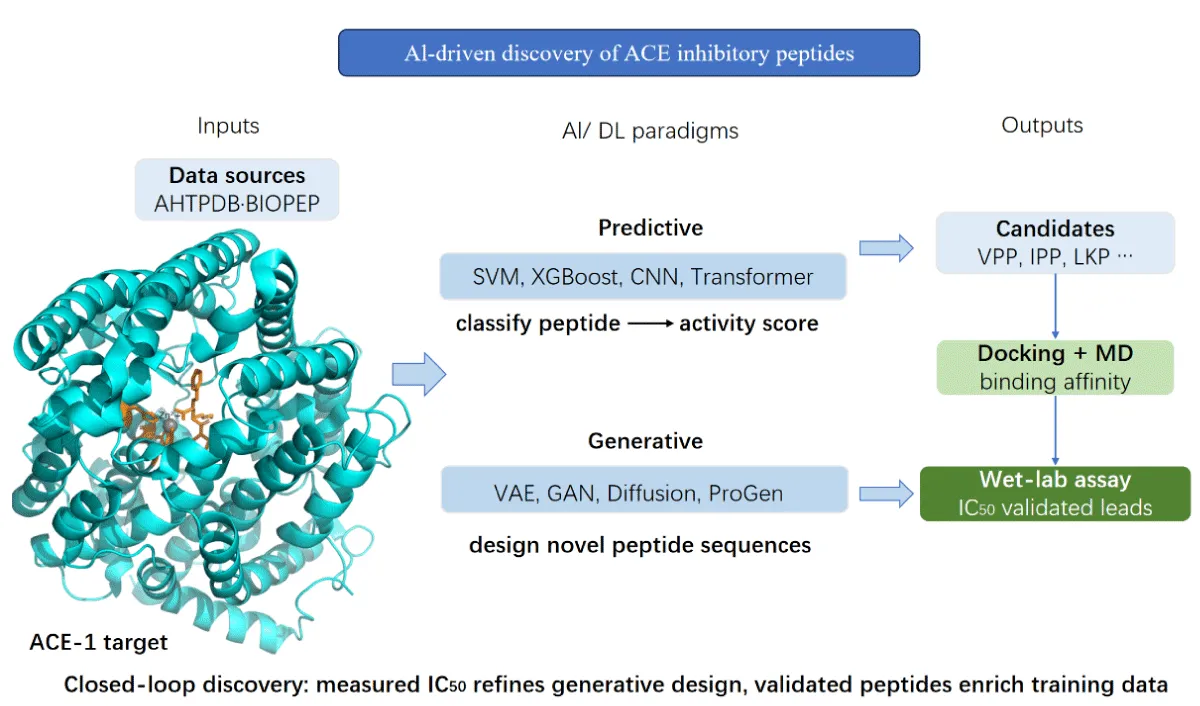
Figure 1: Closed-loop AI workflow for ACE inhibitory peptide discovery. ACE biology & peptide pharmacology relevance.
ACE biology & peptide pharmacology relevance
ACE (often termed ACE1) and ACE2 are distinct homologous enzymes with different physiological roles; ACE is the primary therapeutic target discussed in this review because it converts angiotensin I to angiotensin II [13]. Somatic ACE contains homologous N- and C-domains, and many clinically used inhibitors bind both domains. The C-domain contributes strongly to angiotensin I conversion, whereas the N-domain has additional peptide substrates; domain selectivity may therefore influence efficacy and adverse-effect profiles [14–16]. Within the ACE active site, the S1, S1’, and S2’ subsites favor hydrophobic and aromatic C-terminal residues in many inhibitory peptides [16,17]. Crystal structures of inhibitor-bound ACE illustrate zinc coordination and subsite occupancy, providing mechanistic constraints for peptide docking and design [18,19] (Figure 2).
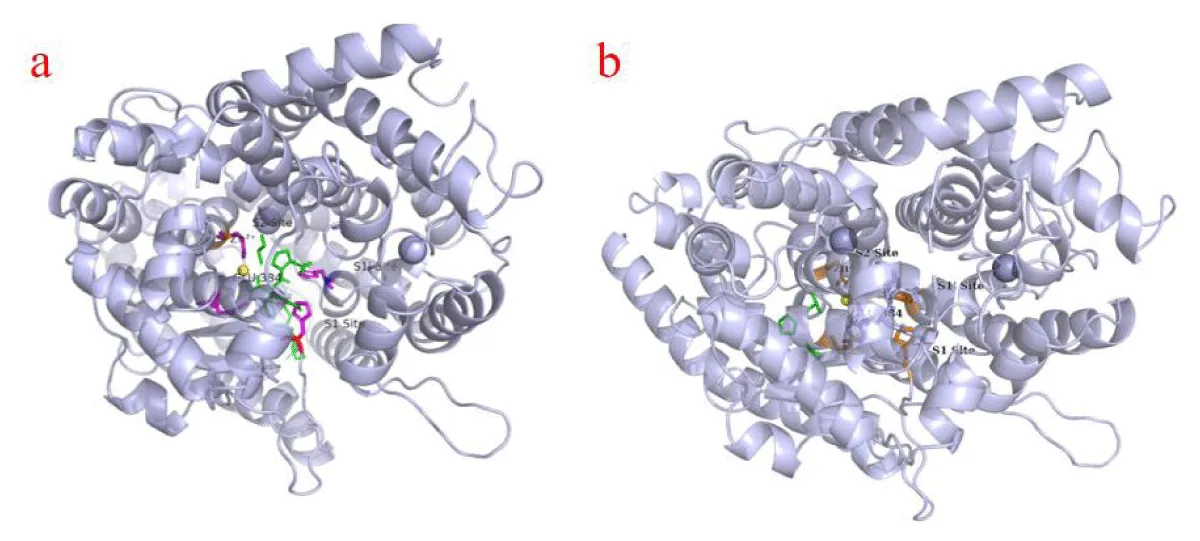
Figure 2: ACE binding modes of captopril (a) and Val-Pro-Pro (VPP) (b) Databases and curated datasets.
Databases and curated datasets
In deep learning-based design of ACEiPs, high-quality, well-structured databases constitute the cornerstone of model training [20]. In recent years, advances in the enzymatic hydrolysis of food proteins and high-throughput screening technologies have markedly accelerated the discovery of ACEiPs[21]. The present review summarizes several publicly available ACEiP-related databases (Table 1). Among them, BIOPEP-UWM collects a wide range of bioactive peptides, including ACEiPs, and provides extensive information on sequences, origins, and activities. Owing to its broad coverage of food-derived peptides and the incorporation of enzymatic cleavage site prediction tools, this database can be used to predict ACEiPs that may be released from food proteins during digestion [22]. In contrast to BIOPEP-UWM, which requires stringent data filtering and cleaning for modeling purposes, AHTPDB is a database specifically dedicated to antihypertensive peptides, the vast majority of which are ACE inhibitory peptides. It provides experimentally validated (in vitro) sequences, their sources, and standardized IC₅₀ values, making it well suited to serve as a benchmark dataset for building models of sequence–activity relationships[23]. Using these two databases in combination not only offers “confirmed activity data” but also allows simultaneous assessment of the feasibility of obtaining the peptides from real food raw materials, which is particularly valuable for the design and optimization of ACEiPs starting from food-based sources. FeptideDB supports three-dimensional structure prediction and small-scale docking workflows, offering a unique advantage for rapidly converting peptide sequence information into structural hypotheses and performing in silico virtual screening [24]. MBPDB focuses on milk-derived peptides and includes clearly annotated sources and functional classifications, making it suitable for studying the origins and activity validation of classic ACEiPs (such as VPP and IPP) in dairy products [25].
| Table 1: Summary of Databases of ACEiPs | |||||||||
| Database | Sequence Coverage | Structural Information | Organism / Source | Mechanistic Data | Activity Information | Hemolysis Data | Cytotoxicity Data | Accessibility* | Website |
| AHTPDB | 1694 unique peptides (5978 total entries) | Limited predicted structural features | Food proteins, dairy, plant, animal | Partial (competitive / non-competitive) | IC50, pIC50, experimental conditions | Limited | Limited | Accessible | https://webs.iiitd.edu.in/raghava/ahtpdb/ |
| BIOPEP-UWM | 1270 ACE-related peptides | None | Food-derived proteins | None | Qualitative/literature IC50 | None | None | Accessible | https://uwm.edu.pl/biochemia/biopep/ |
| MBPDB | all known bioactive peptides derived from milk proteins from any species | None | Casein, whey proteins | None | Partial IC50 | Limited | Limited | Accessible | https://mbpdb.nws.oregonstate.edu/peptiline/ |
| FeptideDB | ~2000 peptides | 3D models + docking available | Food-derived proteins | Docking-based binding mode | Limited IC50 | None | None | Unaccessible | http://www.fptdb.com/ |
| PepBank | >19,000 peptides | None | Multiple organisms | None | Sparse ACE activity | None | None | Unaccessible | http://pepbank.mgh.harvard.edu/ |
| ACEpepDB | ~1400 ACE inhibitory peptides | None/limited | Food, microbial, synthetic | Partial | IC50 + activity classes | None | None | Unaccessible | https://github.com/baojunpei/ACEpepDB |
| APD (ACE subset) | 3379 natural antimicrobial peptide (AMPs) | Partial | Multiple organisms | None | Partial activity data | Partial | Partial | Accessible | https://aps.unmc.edu/ |
| MilkAMP (ACE subset) | ~100 peptides | Partial | Dairy proteins | None | Partial IC50 | None | None | Unaccessible | http://milkampdb.org/ |
| ACEIP-DB | 1,193 ACE inhibitory peptides | 3D structures, SMILES notation | milk, fish, cereals, plants, and synthetic constructs | None | Partial IC50 | None | None | Accessible | http://aceipdb.cpu-bioinfor.org/ |
| *Accessibility was checked on 22 July 2026. | |||||||||
Dataset construction requires more than pooling all available entries. Identical peptides can have different reported IC50 values because studies use different ACE sources, substrates, pH values, incubation times, and units [26]. Positive examples are usually more completely reported than experimentally inactive peptides, producing class imbalance and uncertain negatives; duplication across databases can further inflate random-split performance. Before modeling, IC50 units and assay metadata should be harmonized, exact and near-duplicate sequences should be removed across training and test sets, and class balance should be reported.
Database selection should follow the task. AHTPDB is appropriate when experimentally validated antihypertensive activity and assay annotations are required; BIOPEP-UWM is useful for linking candidate peptides to food-protein precursors and simulated proteolysis; MBPDB supports dairy-specific questions; and ACEIP-DB is useful when sequence, chemical, and structural representations are needed. Broader food-peptide or antimicrobial-peptide repositories should be used only with explicit ACE-specific filtering [9,26–28]. Legacy resources should be treated as archival sources and cross-checked against the original publications.
Sequence representation and encoding strategies
When constructing deep learning–based predictive models for peptides or proteins, effective sequence encoding is the critical starting point of the entire pipeline. Different embedding strategies largely determine which aspects of information the model can capture and influence its ultimate predictive performance. For short peptides, studies commonly adopt molecular representations, such as SMILES or SELFIES; these encodings preserve chemical bond connectivity, side-chain structure, and topological features and are therefore well-suited as inputs to graph neural networks or molecular Transformer models [29–31]. In contrast, longer peptide chains or protein sequences are more frequently encoded using substitution matrices, such as BLOSUM62 or PAM, which reflect amino acid replacement probabilities and evolutionary relationships and thus remain highly practical in convolutional neural networks (CNNs) or recurrent models (RNNs/LSTMs) [32].
Pretrained PLMs, including Evolutionary Scale Modeling (ESM), Protein Bidirectional Encoder Representations from Transformers (ProtBERT), and Protein T5 (ProtT5), provide contextual residue embeddings learned from large protein corpora [33–35]. Their transfer-learning value should not be assumed to be uniform for ACEiPs: very short food-derived peptides differ markedly from the full-length proteins that dominate pretraining, terminal motifs can be diluted by global pooling, and fine-tuning small datasets can overfit. PLM embeddings should therefore be benchmarked against transparent composition and physicochemical baselines and evaluated with sequence-clustered, source-aware test splits (Figure 3, Table 2).
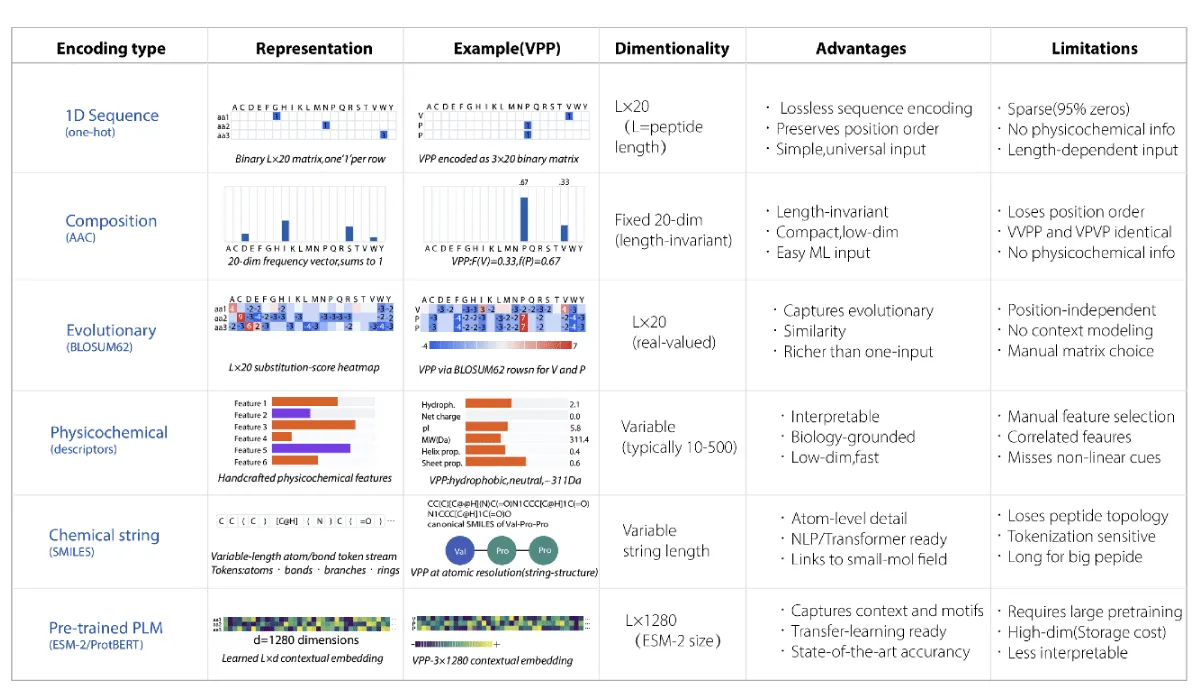
Figure 3: Representative encodings for the ACE inhibitory tripeptide Val-Pro-Pro (VPP).
| Table 2: Sequence and chemical encoding strategies for ACE inhibitory peptide prediction. | |||||
| Method | Principle | Dim. | Advantages | Limitations | Reference |
| A. Sequence-level (discrete) | |||||
| One-hot encoding | Encodes each residue as a 20-dim binary vector with a single active position out of the 20 standard amino acids; the peptide becomes an L × 20 binary matrix that fully preserves sequence order. The most common input format for CNN/RNN/Transformer baselines on peptide tasks, including ACE inhibitor classifiers. | L × 20 (binary) | • Lossless sequence encoding • Universal input for CNN / RNN / Transformer • Simple and interpretable |
• Sparse (95% zeros) • No biochemical or evolutionary information • Length-dependent (padding required) |
[36] |
| k-mer encoding | Represents a peptide by the frequency vector of its overlapping subsequences of length k. For peptides, k typically ranges from 2 to 4; captures local motif preferences and short-range order without requiring alignment. | 20ᵏ (e.g. 400 for k = 2; 8,000 for k = 3) |
• Captures local motifs • Computationally efficient • Suitable for classical ML (SVM, XGBoost) |
• Loses long-range dependencies • Exponential dimensionality growth with k • Very sparse for short peptides |
[37] |
| B. Composition-based | |||||
| AAC (amino acid composition) |
20-dim normalised frequency vector of the 20 standard amino acids — the simplest length-invariant descriptor. Widely used as a baseline input for ACE inhibitor predictors built on classical ML. | Fixed 20 | • Length-invariant • Low dimensional, fast • Interpretable |
• Loses all positional information • VPP and PVP have identical AAC • No physicochemical context |
[38] |
| DPC (dipeptide composition) |
Frequencies of all 400 adjacent amino-acid pairs. Retains short-range sequence order while remaining length-invariant, hence preferable to AAC for short bioactive peptides where local motifs matter. | Fixed 400 | • Captures local sequence order • Still length-invariant • Strong baseline for short peptides |
• Cannot model long-range interactions • 20× higher dimension than AAC • Sparse for short peptides |
[38] |
| PAAC (pseudo amino acid composition) |
Extends AAC with additional terms that encode sequence-order correlations of physicochemical properties (hydrophobicity, hydrophilicity, mass). Combines global composition with biologically grounded local order signals via λ correlation factors. | 20 + λ (typically 50) |
• Combines composition with local order • Biologically meaningful • Widely used in bioactive peptide prediction |
• Relies on handcrafted descriptors • λ must be chosen by the user • No learned contextual representation |
[39] |
| C. Evolutionary | |||||
| BLOSUM62 | Encodes each residue by its row in the BLOSUM62 substitution matrix, producing an L × 20 real-valued matrix that captures pairwise evolutionary substitution probabilities at the 62%-identity threshold. | L × 20 (real-valued) | • Captures evolutionary similarity • Richer than one-hot • Standardised, parameter-free |
• Position-independent • No sequence context • Choice of matrix (45 / 62 / 80) affects results |
[40] |
| D. Physicochemical descriptors | |||||
| Physicochemical descriptors |
Hand-crafted numerical features encoding biochemistry: hydrophobicity (Kyte-Doolittle / GRAVY), net charge at pH 7, isoelectric point (pI), molecular weight, secondary-structure propensities, and Z-scales (Wold et al. 1998). Aggregated as a peptide-level vector or per-residue when retained position-wise. | Variable (typically 10–500) |
• Interpretable, biology-grounded • Low-dim and fast • Standard input for many ACE inhibitor predictors (iAHTP, mAHTPred) |
• Manual feature engineering • Highly correlated features • Misses non-linear context |
[41,42] |
| E. Chemical (atom-level) | |||||
| SMILES | Linear string representation of the peptide as a chemical molecule, encoding atoms, bonds, branches and stereochemistry. Allows treating peptides like small molecules and re-using cheminformatics / NLP pipelines. | Variable string length |
• Atomic-level detail • NLP / Transformer compatible • Bridge to small-molecule drug-design tools |
• Multiple valid SMILES strings may represent the same peptide • Peptide sequence order is represented indirectly through atom connectivity • Canonicalization and tokenization can affect small-data models |
[29] |
| SELFIES | Self-referencing embedded string designed so every syntactically valid SELFIES decodes to a chemically valid molecule. An attractive SMILES alternative for generative models that require 100% valid samples. | Variable string length |
• 100% chemically valid generation • Robust to mutation operations • Well-suited to generative AI |
• Does not guarantee biological activity or synthetic feasibility • Usually longer than the corresponding SMILES string • Limited ACEiP-specific benchmarking |
[43] |
| F. Pre-trained protein language models (PLMs) | |||||
| ESM-2 | Transformer-based PLM trained by masked-language modelling on ∼250 M UniRef sequences; provides context-aware residue embeddings without requiring alignments. Available at multiple scales (8 M to 15 B parameters; d = 320 to 5120). | L × d (d = 1280 for 650M) |
• State-of-the-art contextual embeddings • Strong transfer-learning behaviour • No MSA needed • Captures structural and evolutionary signal |
• Protein-to-short-peptide domain shift • Pooling may dilute terminal motifs important for ACE inhibition • Higher compute cost and lower interpretability |
[44] |
| ProtBERT | BERT-based bidirectional encoder pre-trained on UniRef100 (217 M sequences) with masked-language modelling. Produces residue-level contextual embeddings. | L × 1024 | • Contextual embeddings without alignments • Strong transfer learning • Well-supported in HuggingFace ecosystem |
• Protein-to-short-peptide domain shift • Computationally expensive relative to descriptor baselines • Requires careful pooling and fine-tuning |
[45] |
| ProtT5 | T5 encoder-decoder pre-trained on BFD / UniRef50. The encoder-only variant (ProtT5-XL-U50) is the most-used; embeddings are highly transferable across downstream peptide tasks. | L × 1024 | • Highly transferable embeddings • Strong downstream performance • Encoder-decoder enables generation |
• Large model and expensive inference • Protein-to-short-peptide domain shift • Limited interpretability and small-data overfitting risk |
[45] |
For short, unmodified food-derived peptides, amino-acid composition, dipeptide composition, position-aware one-hot encoding, and physicochemical descriptors remain strong and interpretable baselines. SMILES and SELFIES become more informative when a task must retain atom-level connectivity, stereochemistry, non-canonical residues, cyclization, or other chemical modifications; for ordinary short peptides, their longer token sequences and representation choices can add complexity without guaranteed predictive gain [30,31,43,46]. Representation selection should therefore be justified by the intended endpoint rather than by model novelty alone.
Traditional machine-learning and deep-learning predictors differ in both representation and model hierarchy [47–50]. Feature-engineered models remain useful as transparent baselines, PLM-based models transfer contextual information from large protein corpora, and stacked or multi-view ensembles combine complementary feature families [28,41,51,52]. Models trained for other peptide bioactivities cannot be treated as ACE-specific evidence without retraining and independent validation [53]. Reported performance should be interpreted together with dataset redundancy, class balance, and split strategy rather than ranked from a single headline metric.
The successful application of tools, such as Deep-AVPrd, has confirmed the effectiveness of transfer learning in peptide activity prediction tasks [54]. This method improves prediction performance by transferring general sequence knowledge through pretrained models, and its core advantage lies in the ability to overcome the data limitations of specific biological tasks by leveraging the pretreatment results of large-scale data.
In particular, transfer learning can efficiently construct high-performance prediction models by adapting pretrained backbone models to large-scale datasets for specific biological tasks[55]. This advantage is fully demonstrated in ACE inhibitory peptide prediction tasks, where pretrained models, such as ProtBERT and ESM, can acquire general semantic knowledge from massive protein sequences, thereby demonstrating excellent transferability [56,57].
In protein engineering research, the problem of data scarcity is particularly prominent. Therefore, in recent years, researchers have combined transfer learning with semi-supervised strategies to provide a feasible solution to this problem [44]. The specific combination process of the two can be based on the model mentioned earlier: using pre-trained models, such as ProtBERT or ESM, as the basis, fine-tuning specific peptide data, and then constructing high-precision models for predicting such peptide segments.
For model development, sequence-clustered or source-aware splits are preferable to unconstrained random splits, because close homologues distributed across training and test sets can inflate apparent generalization. Performance should be reported on an untouched independent set using at least balanced accuracy or accuracy (BACC/ACC), Matthews correlation coefficient (MCC), and area under the receiver-operating-characteristic curve (AUC), together with sensitivity, specificity, class ratio, and confidence intervals where available (Table 3).
| Table 3: Hierarchy and reported independent-test performance of representative ACEiP predictors. | |||||
| Predictor | Model hierarchy | Year | Core Methodology | Independent-test metrics* | Reference |
| AHTpin | Feature-engineered classical ML | 2015 | Support vector machine (SVM) using amino-acid composition (AAC) or atomic composition (ATC) | ACC 0.771 (AAC) / 0.756 (ATC); MCC NR; AUC NR | [26] |
| mAHTPred | Feature-engineered meta-ensemble | 2019 | Six machine-learning families combined with optimized sequence and physicochemical features | ACC 0.883; MCC 0.767; AUC 0.951 | [41] |
| PeptiTox | Auxiliary safety filter | 2025 | ESM-2 embeddings with a geometric graph neural network (GNN) | ACE-activity metrics N/A; toxicity classification is used after activity prediction | [58] |
| iAHTP-LH | Feature-engineered random forest | 2019 | Random forest using low- and high-order sequence correlations | ACC/MCC/AUC NR at a directly comparable independent-test level | [59] |
| Deepstack-ACE | Deep stacking ensemble | 2025 | Word2vec embeddings with LSTM, CNN, MLP, GRU, and RNN base classifiers | BACC 0.916; MCC 0.826; AUC NR | [51] |
| pLM4ACE | PLM transfer learning | 2024 | ESM-2 embeddings with logistic regression, SVM, and multilayer perceptron classifiers | BACC 0.883; MCC 0.770; AUC NR | [52] |
| AI4ACEIP | Hybrid multi-view ensemble | 2024 | Two-layer stacked ensemble combining sequence, PLM, and molecular representations | Exact comparable values NR in abstract; MCC improvement 8.47-20.65% (source set) and 5.49-14.42% (clean set) | [28] |
| *Values are those reported by the cited studies on their specified independent sets. They are not directly rank-comparable because dataset composition, redundancy control, negative-sample construction, and validation protocols differ. ACC, accuracy; AUC, area under the receiver-operating-characteristic curve; BACC, balanced accuracy; CNN, convolutional neural network; GRU, gated recurrent unit; LSTM, long short-term memory; MCC, Matthews correlation coefficient; MLP, multilayer perceptron; N/A, not applicable; NR, not reported; RNN, recurrent neural network. | |||||
Generative models for de novo design
De novo peptide design represents a paradigm shift from traditional predictive modeling to the generative exploration of the peptide chemical space. Predictive deep learning aims to estimate the possibility of ACE inhibition based on the given sequence, whereas generative models primarily generate new peptide sequences with optimized biochemical and pharmacological properties. This shift is particularly valuable in ACEiPs discovery because of the limited number of experimentally validated sequences, high redundancy among natural food-derived peptides, and the need for multi-objective optimization beyond inhibitory potency alone. The high-dimensional latent representations of deep generative models can capture the sequence semantics, structural patterns, and biochemical constraints of peptides, encoding the sequences into a continuous latent space for controlled exploration of functional peptide variants [60–62]. For ACEiPs, this strategy enables efficient exploration of the peptide chemical space, integration of physicochemical and biological constraints, discovery of potent peptides outside natural protein sources, and rational prioritization of candidates before experimental validation [63]. In combination with pretrained protein language models, generative frameworks greatly expand the accessible peptide landscape and support the design of bioactive peptides with tailored inhibitory profiles [64].
Deep generative models integrate multiple biochemical and functional constraints—such as ACE inhibition, peptide length, solubility, hydrophobicity, charge, toxicity, allergenicity, and digestive stability—via conditional generative architectures, latent-space steering, or multi-objective optimization frameworks that jointly model activity and developability [65]. In peptide design, physicochemical and structural filters help guide the generation toward favorable bioavailability, low toxicity, and desired enzyme interactions [31]. Moreover, deep learning–based predictors for solubility, toxicity, and protease resistance can be embedded into generative pipelines to enforce constraints during sequence sampling or reinforcement learning–based optimization.
Structural validation should proceed as a staged triage rather than as a single docking calculation. First, AlphaFold or ESMFold can generate peptide and ACE structural hypotheses, with explicit attention to confidence and the flexibility of short peptides [44,66]. Second, ensemble docking can test whether a candidate can occupy the catalytic channel and contact the zinc-coordinating and S1/S1’/S2’ regions. Third, molecular dynamics (MD) simulations assess pose stability, contact persistence, solvent exposure, and conformational changes under defined conditions. Finally, molecular mechanics/Poisson-Boltzmann surface area (MM/PBSA), molecular mechanics/generalized Born surface area (MM/GBSA), or more rigorous free-energy methods can be used to compare a limited set of candidates. These calculations prioritize experiments; they do not replace standardized IC50 measurement.
Currently, a variety of generative models have played an important role because of their unique advantages. The following are the core applications and characteristics of variational autoencoders, generative adversarial networks, diffusion models, reinforcement learning, and hybrid frameworks.
VAEs map peptide sequences into a continuous latent distribution and reconstruct them through a decoder [67]. Key benefits include latent space optimization toward ACE inhibition and other biological objectives, facilitated by the smoothness and differentiability of the VAE latent space [62]. In peptide engineering, VAEs have demonstrated effectiveness in generating functional and structurally plausible sequences while enabling length-controlled decoding through conditional architectures [68]. Moreover, conditional VAEs support tailored generation guided by constraints such as IC₅₀ thresholds, hydrophobicity levels, net charge, or the inclusion of specific structural or inhibitory motifs relevant to ACE binding interactions. GANs generate realistic peptide sequences by training a generator–discriminator pair[69]. For ACEiPs design, GAN frameworks provide high sequence diversity and can be adapted with ACE-specific discriminators trained on curated inhibitory peptide datasets [70]. In peptide engineering, GAN-based approaches have demonstrated superior distributional learning of bioactive patterns and improved modeling of local structural or functional motifs relevant to protein–ligand interactions [71]. Furthermore, advanced peptide- or protein-focused GAN architectures enable the generation of novel sequences that maintain key biochemical features associated with inhibitory potency and binding to enzymatic pockets, such as those in ACE [72]. Diffusion models iteratively transform random noise into high-quality peptides through a sequence of denoising steps [73]. Compared with GANs, they offer more stable training dynamics and generate samples that better match realistic biochemical and structural distributions [74]. Their ability to capture long-range dependencies is particularly beneficial for peptide design, where sequence-level interactions and residue co-evolution influence activity and folding [75]. Moreover, recent advances in conditional diffusion architectures enable controllable generation guided by functional, structural, or physicochemical constraints, making them well-suited for bioactive peptide discovery and design [75].
Reinforcement learning (RL) can convert peptide generation into goal-directed optimization by updating a sequence policy against a multi-objective reward [76,77]. For ACEiPs, the reward should not be dominated by a single predicted IC50 or docking score. A practical reward and post-screening cascade should combine predicted potency, C-domain binding geometry, novelty relative to the training set, gastrointestinal protease stability, solubility, aggregation propensity, intestinal permeability, hemolysis, cytotoxicity, allergenicity, off-target risk, and synthetic accessibility [12,31,58,78,79]. Uncertainty penalties and diversity constraints are needed to limit reward hacking and collapse toward a narrow motif family. Candidates should advance only when they satisfy predefined thresholds and remain chemically feasible, after which standardized wet-lab measurements can be returned as new rewards or active-learning labels.
Hybrid frameworks combine generative models, PLMs, docking, MD simulations, and graph neural networks to connect sequence-level design with structural and developability assessment [80–83]. PLMs such as ESM and ProGen provide contextual sequence representations, whereas graph models describe residue-residue and peptide-ACE interactions. The principal advantage is not simply model complexity, but the ability to reject candidates that are predicted to be potent yet unstable, toxic, poorly soluble, or structurally implausible before synthesis (Figure 4, Table 4).
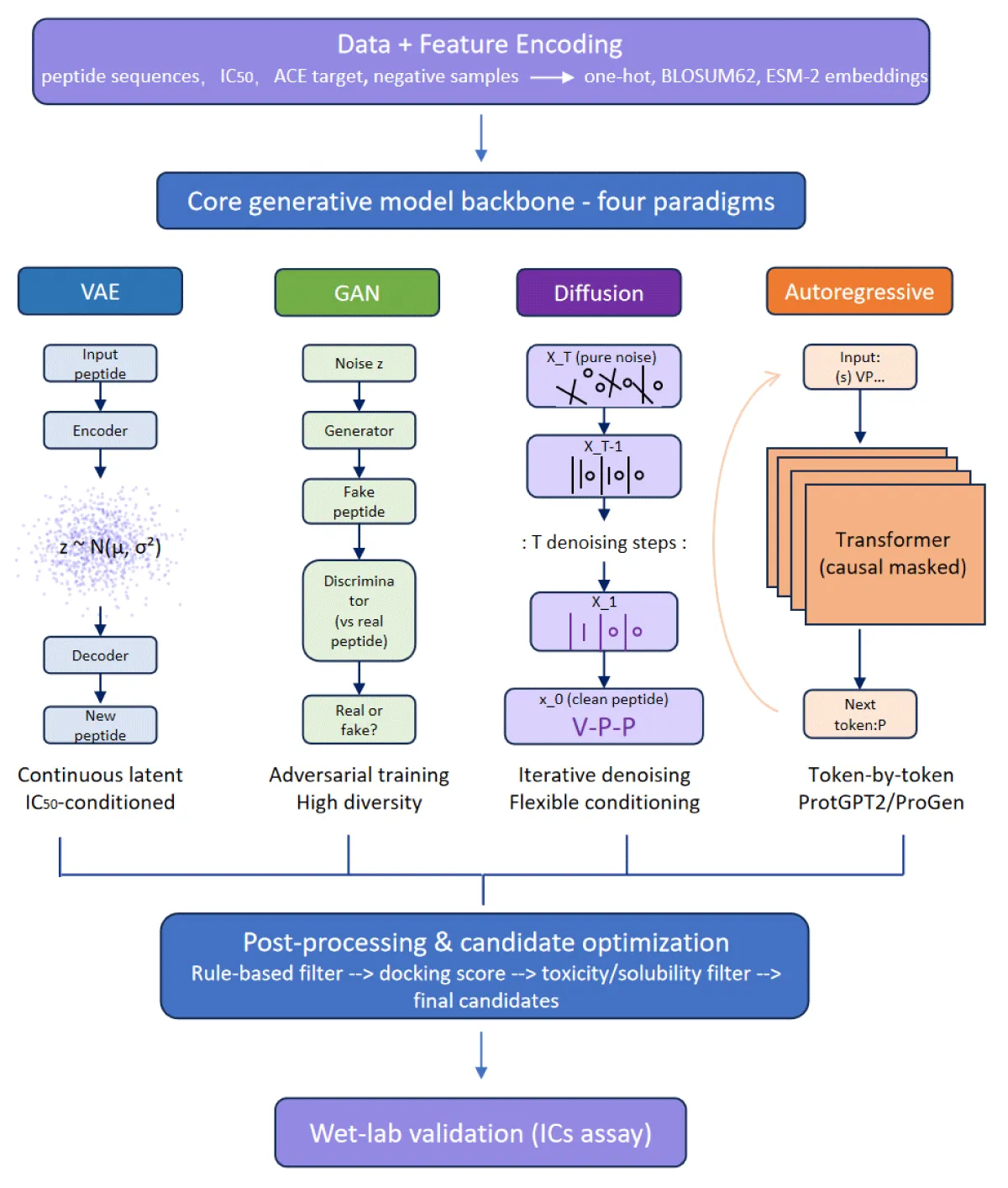
Figure 4: Top-4 nearest neighbors by Euclidean distance in the learned style embedding space for a representative query image.
| Table 4: Representative generative and optimization paradigms for de novo ACE inhibitory peptide design. | |||||
| Generative design approach | Core principle | Key algorithms / representative models | Advantages | Limitations | Refs. |
| Variational Autoencoder (VAE) |
An encoder maps peptide sequences into a continuous low-dimensional latent space modelled as a Gaussian, and a decoder reconstructs sequences by sampling from the latent. Training maximises a variational lower bound that balances reconstruction accuracy and latent regularisation. Conditional VAEs (cVAE) accept additional inputs such as target IC₅₀ or net charge to direct generation toward desired biological properties. | • Vanilla VAE; β-VAE • Conditional VAE (cVAE) • Adversarial Autoencoder (AAE) • Wasserstein Autoencoder (WAE) • Vector-Quantised VAE (VQ-VAE) |
• Smooth continuous latent space supports interpolation between peptides • Native support for conditioning on activity, length or charge • Stable training with well-understood theory • Compact latent representation enables downstream optimisation |
• Reconstructions tend to be averaged or “blurred” • Posterior collapse with strong decoders • Lower sequence diversity than GAN or diffusion approaches |
[67,84] |
| Generative Adversarial Network (GAN) |
A generator network synthesises candidate peptide sequences from latent noise while a discriminator network learns to distinguish real peptides from generated ones. Adversarial training drives the generator toward sequences indistinguishable from the training distribution. Conditional GANs add label inputs (e.g., bioactivity class) and Feedback-GAN architectures incorporate an external activity predictor to steer generation toward bioactive candidates. | • SeqGAN • Wasserstein GAN (WGAN, WGAN-GP) • ProteoGAN • Conditional GAN (cGAN) • Feedback GAN (FBGAN) |
• High sequence diversity and sharp samples • Flexible conditioning on biological properties • Mature framework with many established variants • Feedback-GAN supports activity-guided refinement loops |
• Training instability and mode collapse are common • No explicit likelihood, complicating sample evaluation • Highly sensitive to hyperparameter choices • Difficult to control fine-grained physicochemical properties |
[69] |
| Sequence Diffusion Models | A forward diffusion process gradually corrupts peptide sequences (one-hot or learned embeddings) into Gaussian noise; a learned reverse process generates new peptides by progressively denoising. Classifier or classifier-free guidance steers generation toward target properties such as predicted IC₅₀ or motif presence. Discrete-diffusion variants operate directly in the amino-acid token space. | • Denoising Diffusion Probabilistic Models (DDPM) • Score-Based Generative Models (SGM) • Score SDE • Discrete sequence diffusion (D3PM, EvoDiff) • Score Distillation Sampling (SDS / VSD) |
• Supports flexible conditional control • Stable training, no mode collapse • Handles ambiguity and sparsity in sequence data • Compatible with pretrained priors for few-shot transfer |
• Slow sampling (many denoising steps) • Limited interpretability of intermediate states • Computationally expensive at training and inference |
[75,85,86] |
| Equivariant 3D Diffusion | Diffusion models operating directly in 3D Cartesian space generate or refine peptide–target binding poses while preserving SE(3) symmetry (rotation- and translation-equivariance). Equivariant graph neural networks (EGNN) and geometric attention ensure predictions remain consistent under reference-frame changes, enabling structure-aware peptide design directly against a protein target such as ACE. | • RFdiffusion / RFdiffusion-AA (all-atom) • PepMimic • AlphaFold 3-style 3D diffusion • EGNN-based score networks • Geometric Attention • Conditional 3D Diffusion |
• Generates physically plausible 3D peptide–target conformations • Preserves rotation/translation symmetry by construction • Strong spatial reasoning; models flexible peptide backbones • Directly applicable to target-conditioned design (e.g., ACE C-domain) • Can explore multiple binding modes simultaneously |
• Requires large high-quality structural datasets (PDB) • Sampling slow and memory-intensive • Long-range molecular interactions still difficult to model • Generated structures often need physics-based refinement (MD) |
[75,87,88] |
| Autoregressive Protein Language Models | A causal Transformer decoder generates peptide sequences token-by-token, maximising the conditional probability of each amino acid given the preceding residues. Pretraining on large protein corpora (UniRef, UniProt) followed by fine-tuning on bioactive peptides enables prompt-based zero-shot or few-shot design. Reinforcement-learning fine-tuning (PPO, REINFORCE) further steers generation toward goal-directed objectives. | • ProtGPT2 • ProGen / ProGen2 • RITA • PepGPT • RL fine-tuned variants (PPO, REINFORCE) • Prompt-conditioned generation |
• Leverages massive pretrained protein corpora via transfer learning • Strong long-range dependency modelling • Supports prompt- and motif-conditioned generation • Naturally combines with reward models for goal-directed design |
• Token-by-token generation is slow at inference • Limited extrapolation beyond the training distribution • Sequence-only view; lacks direct structural awareness • Output coherence is sensitive to tokenisation choices |
[64,89–92] |
| Normalizing flows | Normalizing flows learn an invertible mapping between a simple base distribution and a complex data distribution through bijective transformations. They provide exact or tractable likelihoods and a continuous latent space, but ACEiP-specific applications remain limited. | • NICE • RealNVP • Masked autoregressive flow (MAF) • Inverse autoregressive flow • Neural spline flows • Continuous normalizing flows • FFJORD |
• Tractable likelihood-based evaluation • Invertible sampling and inference • Continuous latent-space interpolation • Stable optimization relative to adversarial training |
• Invertibility constrains architecture • Jacobian calculations can be expensive • Limited peptide-specific evidence • Sequence discretization requires care • Sample quality may lag diffusion models |
[93–96] |
| Abbreviations: AAE, adversarial autoencoder; cGAN, conditional generative adversarial network; cVAE, conditional variational autoencoder; DDPM, denoising diffusion probabilistic model; EGNN, equivariant graph neural network; FFJORD, free-form Jacobian of reversible dynamics; GAN, generative adversarial network; MAF, masked autoregressive flow; NICE, non-linear independent components estimation; PLM, protein language model; RealNVP, real-valued non-volume preserving; RL, reinforcement learning; SE(3), three-dimensional special Euclidean group; VAE, variational autoencoder; WAE, Wasserstein autoencoder. | |||||
End-to-end AI pipelines and structural validation
An end-to-end ACEiP workflow begins with versioned data curation and assay harmonization, followed by representation selection, leakage-controlled model training, and uncertainty-aware prediction or generation. Candidates are then filtered against ACEiP-specific criteria before structural analysis. Structure prediction supplies conformational hypotheses; ensemble docking evaluates catalytic-site compatibility; MD examines the persistence of key contacts; and free-energy calculations refine the ranking of a small candidate set. Only candidates that also satisfy stability, safety, solubility, and manufacturability thresholds should proceed to synthesis and standardized ACE-inhibition assays [5–8,44,66].
The workflow becomes closed-loop when experimental results are stored with complete assay metadata and used to update the next model cycle. Measured IC50 values, inactive results, solubility, digestive stability, permeability, toxicity, and failed syntheses are informative labels rather than discarded outcomes. Active learning can prioritize candidates whose measurement is expected to reduce uncertainty, while multi-omics information can connect peptide precursors, processing conditions, biological exposure, and response pathways [97–102]. This feedback design converts model refinement from a one-time retraining step into an auditable sequence of design-build-test-learn cycles.
Current platforms such as PepGAN, ProtGPT2, ProGen, PRO-LDM, and AlphaDesign illustrate complementary parts of this workflow (Table 5) [64,90,103–105]. Most were not developed specifically for ACEiPs, so their outputs require ACE-specific retraining or conditioning and the post-screening criteria described above. Their use should be reported with model version, training-data provenance, generation settings, and the experimental basis for candidate selection.
| Table 5: Peptide design platforms | |||||||
| Name | Year | Architecture | Training Data Scale | Open Source | ACE-Specific Validation | Remark | Reference |
| PepGAN | 2020 | GAN | Approx. thousands of known antimicrobial peptide (AMP) sequences | https://github.com/tsudalab/PepGAN | No (Mainly targets broad-spectrum AMPs, not optimized for ACE) |
Active-directed antimicrobial peptides | [103] |
| ProtGPT2 | 2022 | AR Transformer | UniRef50 (Approx. 45 million protein sequences) |
https://huggingface.co/nferruz/ProtGPT2 | No (Universal protein/peptide generation, millisecond-level rapid inference) |
Autoregressive millisecond generation | [90] |
| ProGen | 2023 | AR Transformer | 280 Million (280M) protein sequences |
https://github.com/salesforce/progen | No (Cross-family universal large model, guided via conditional control) |
Cross-family large model | [64] |
| PRO-LDM | 2025 | Diffusion | Approx. millions of high-resolution protein structure/sequence pairs | https://github.com/AzusaXuan/PRO-LDM | Can be combined with specific Prompts (Utilizes conditional guidance to generate potential targeted peptides) |
Precise Design for Subtle Diffusion | [104] |
| AlphaDesign | 2025 | Diffusion | Based on AlphaFold DB and tens of millions of curated sequences | https://github.com/mjendrusch/salad | Yes / Supported (Can input ACE crystal structure as a target for backbone hallucination design) |
Illusion Diffusion All-Purpose Design | [105] |
| ProT-VAE | 2025 | VAE | Approx. millions of unaligned sequences (MSA-free) | https://github.com/NVIDIA/BioNeMo | No (Currently focuses on MSA-free universal functionally targeted peptide generation) |
MSA-free, function-targeted generative protein design platform. | [84] |
Challenges and future perspectives
Translation of ACEiPs requires coordinated progress in four areas: algorithm optimization, peptide delivery, multi-omics integration, and clinical translation. Across all four, the central principle is experimental feedback: standardized measurements should refine both the candidate-selection rules and the models used in the next design cycle [12].
Algorithm optimization
Algorithm development should prioritize data quality and prospective generalization over increasingly complex architectures. Assay conditions and units should be harmonized; duplicate and highly similar peptides should be separated across splits; class imbalance and uncertain negatives should be handled explicitly; and calibration and uncertainty should be reported with discrimination metrics. Structure-activity and mechanism evidence should constrain the model rather than be inferred from sequence correlations alone [106–108]. Multi-objective predictors should jointly model ACE inhibition, digestive stability, solubility, permeability, toxicity, and manufacturability. Closed-loop active learning can then select experiments that either test high-value candidates or resolve regions of model uncertainty, with failed candidates retained as informative negative evidence [28,51,52,76,77].
Peptide delivery
Oral bioavailability remains a principal translational constraint. ACEiPs may be degraded by gastric and intestinal proteases, altered by food processing and storage, poorly transported across the intestinal epithelium, or cleared before achieving sufficient systemic or local exposure [12,79,109–111]. Proline-rich short peptides such as Val-Pro-Pro and Ile-Pro-Pro can show greater digestive stability, but this property cannot be generalized to all plant- or marine-derived sequences [111–114]. In vitro potency should therefore be interpreted together with simulated digestion, epithelial transport, plasma stability, and pharmacokinetic measurements.
Delivery strategies include sequence modification, food-matrix design, microencapsulation, liposomes, polysaccharide carriers, and controlled-release systems [115–117]. Chitosan-coated nanoliposomes and alginate-chitosan composites can protect activity during digestion, but gains in encapsulation must be balanced against release kinetics, carrier safety, manufacturing reproducibility, sensory effects, and regulatory acceptability. Model-based formulation design could help rank carrier-peptide combinations, but comparative in vivo exposure and efficacy remain necessary before claims of improved bioavailability are justified.
Multi-omics integration
Proteomics, peptidomics, metabolomics, and microbiome measurements can connect food-protein precursors, processing-dependent peptide release, intestinal transformation, systemic exposure, and downstream vascular responses [7,97–100,118–120]. Their main value is mechanistic triangulation: omics-derived candidates can enter the design pipeline, while post-intervention profiles can reveal whether predicted ACE-centered effects are accompanied by antioxidant, anti-inflammatory, endothelial, or microbiome-mediated responses. Integration should use matched samples, explicit batch correction, and external validation to avoid adding high-dimensional noise without biological resolution.
Clinical translation
Clinical translation requires standardized peptide identity, purity, dose, matrix, ACE-assay methods, and safety reporting, followed by adequately powered randomized trials with pharmacokinetic and blood-pressure endpoints [79,121–124]. Population differences, concomitant antihypertensive therapy, renal function, and diet should be incorporated into eligibility and subgroup analyses. Manufacturing controls and regulatory classification must be considered early because a peptide positioned as a functional-food ingredient faces different evidence and quality requirements from a therapeutic product.
A clinically oriented closed loop should return human tolerability, exposure, and response data to the design framework without allowing small or uncontrolled studies to dominate the reward signal. Prospective registration, external validation, and post-market surveillance are needed to determine whether computationally prioritized ACEiPs provide reproducible benefit beyond established dietary and pharmacological approaches.
This review frames AI-enabled ACEiP discovery as a closed-loop process rather than a sequence of isolated computational modules. Reliable progress depends on curated and assay-aware datasets, representation choices matched to short food-derived peptides, leakage-controlled benchmarks, multi-objective prediction and generation, staged structural validation, and experimentally defined post-screening thresholds. Oral stability, intestinal exposure, delivery, and clinical evidence remain limiting factors that cannot be inferred from docking or predicted IC50 alone. The most productive path is therefore iterative: design candidates, test activity and developability under standardized conditions, retain both successful and failed outcomes, and use those measurements to refine the next model cycle. This design-build-test-learn framework provides a more rigorous basis for translating ACEiPs from computational hypotheses to validated functional-food or therapeutic candidates.
Funding
2026 College Students’ Innovation and Entrepreneurship Training Program [2026303]. The funders had no role in study design, data collection and analysis, decision to publish, or preparation of the manuscript.
Declaration of generative AI and AI-assisted technologies in the manuscript preparation process
During preparation and revision of this review, the authors used Claude and OpenAI Codex to assist with document organization, language and grammar editing. These tools were not used to generate or interpret experimental data, make final scientific judgments, or introduce references without author verification. The authors manually reviewed every AI-assisted change, checked scientific statements against the cited literature, verified the reference information retained in the manuscript, and approved the final wording. The authors take full responsibility for the accuracy, originality, and integrity of the published article.
- Udenigwe CC, Aluko RE. Food protein-derived bioactive peptides: production, processing, and potential health benefits. J Food Sci 2012;77:R11-24. Available from: https://doi.org/10.1111/j.1750-3841.2011.02455.x.
- Ahmad H, Khan H, Haque S, Ahmad S, Srivastava N, Khan A. Angiotensin-Converting Enzyme and Hypertension: A Systemic Analysis of Various ACE Inhibitors, Their Side Effects, and Bioactive Peptides as a Putative Therapy for Hypertension. J Renin Angiotensin Aldosterone Syst 2023;2023:7890188. Available from: https://doi.org/10.1155/2023/7890188.
- Nielsen SD, Beverly RL, Qu Y, Dallas DC. Milk bioactive peptide database: A comprehensive database of milk protein-derived bioactive peptides and novel visualization. Food Chem 2017;232:673–82. Available from: https://doi.org/10.1016/j.foodchem.2017.04.056.
- Hajfathalian M, Ghelichi S, García-Moreno PJ, Moltke Sørensen A-D, Jacobsen C. Peptides: Production, bioactivity, functionality, and applications. Critical Reviews in Food Science and Nutrition 2018;58:3097–129. Available from: https://doi.org/10.1080/10408398.2017.1352564
- Papakonstantinou E, Bacopoulou F, Megalooikonomou V, Efthimiadou A, Vlachakis D. An in silico and in vitro pipeline for the rapid screening of helicase modulators. EMBnet J 2020;25:e927. Available from: https://doi.org/10.14806/ej.25.0.927.
- Dai H, He M, Hu G, Li Z, Al-Romaima A, Wu Z, et al. Discovery of ACE Inhibitory Peptides Derived from Green Coffee Using In Silico and In Vitro Methods. Foods 2023;12:3480. Available from: https://doi.org/10.3390/foods12183480.
- Purcell D, Packer MA, Hayes M. Identification of Bioactive Peptides from a Laminaria digitata Protein Hydrolysate Using In Silico and In Vitro Methods to Identify Angiotensin-1-Converting Enzyme (ACE-1) Inhibitory Peptides. Mar Drugs 2023;21:90. Available from: https://doi.org/10.3390/md21020090.
- Amigo L, Martínez-Maqueda D, Hernández-Ledesma B. In Silico and In Vitro Analysis of Multifunctionality of Animal Food-Derived Peptides. Foods 2020;9:991. Available from: https://doi.org/10.3390/foods9080991.
- Minkiewicz P, Iwaniak A, Darewicz M. BIOPEP-UWM Virtual—A Novel Database of Food-Derived Peptides with In Silico-Predicted Biological Activity. Applied Sciences 2022;12. Available from: https://doi.org/10.3390/app12147204.
- Yang W, Wang S, Lee GR, Zhang JZ, Courbet A, Juergens D, et al. The past, present and future of de novo protein design. Nature 2026;652:1139–52. Available from: https://doi.org/10.1038/s41586-026-10328-7.
- Lai L, Liu Y, Song B, Li K, Zeng X. Deep Generative Models for Therapeutic Peptide Discovery: A Comprehensive Review. ACM Comput Surv 2025;57:155:1-155:29. Available from: https://doi.org/10.1145/3714455.
- Xiang L, Qiu Z, Zhao R, Zheng Z, Qiao X. Advancement and prospects of production, transport, functional activity and structure-activity relationship of food-derived angiotensin converting enzyme (ACE) inhibitory peptides. Crit Rev Food Sci Nutr 2023;63:1437–63. Available from: https://doi.org/10.1080/10408398.2021.1964433.
- Jobe A, Antony P, Altabbal S, Al Dhaheri Y, Vijayan R. Interaction of hemorphins with ACE homologs. Sci Rep 2023;13:3743. Available from: https://doi.org/10.1038/s41598-023-30771-0.
- Fragment-based design for the development of N-domain-selective angiotensin-1-converting enzyme inhibitors | Clinical Science | Portland Press n.d. Available from: https://portlandpress.com/clinsci/article/126/4/305/69188/Fragment-based-design-for-the-development-of-N
- Molecular basis of domain‐specific angiotensin I‐converting enzyme inhibition by the antihypertensive drugs enalaprilat, ramiprilat, trandolaprilat, quinaprilat and perindoprilat n.d. Available from: https://doi.org/10.1111/febs.70232.
- Cozier GE, Lubbe L, Sturrock ED, Acharya KR. ACE-domain selectivity extends beyond direct interacting residues at the active site. Biochem J 2020;477:1241–59. Available from: https://doi.org/10.1042/BCJ20200060.
- Structural Requirements of Angiotensin I‐Converting Enzyme Inhibitory Peptides: Quantitative Structure‐Activity Relationship Modeling of Peptides Containing 4‐10 Amino Acid Residues n.d. Available from: https://doi.org/10.1002/qsar.200630005.
- Bank RPD. RCSB PDB - 1O8A: Crystal Structure of Human Angiotensin Converting Enzyme (Native). n.d. Available from: https://www.rcsb.org/structure/1O8A (accessed May 20, 2026).
- Bank RPD. RCSB PDB - 1UZE: Complex of the anti-hypertensive drug enalaprilat and the human testicular angiotensin I-converting enzyme n.d. Available from: https://www.rcsb.org/structure/1UZE
- Lai L, Liu Y, Song B, Li K, Zeng X. Deep Generative Models for Therapeutic Peptide Discovery: A Comprehensive Review. ACM Comput Surv 2025;57:155:1-155:29. Available from: https://doi.org/10.1145/3714455.
- Hajfathalian M, Ghelichi S, García-Moreno PJ, Moltke Sørensen A-D, Jacobsen C. Peptides: Production, bioactivity, functionality, and applications. Critical Reviews in Food Science and Nutrition 2018;58:3097–129. Available from: https://doi.org/10.1080/10408398.2017.1352564.
- Minkiewicz P, Iwaniak A, Darewicz M. BIOPEP-UWM Database of Bioactive Peptides: Current Opportunities. International Journal of Molecular Sciences 2019;20:5978. Available from: https://doi.org/10.3390/ijms20235978.
- Kumar R, Chaudhary K, Sharma M, Nagpal G, Chauhan JS, Singh S, et al. AHTPDB: a comprehensive platform for analysis and presentation of antihypertensive peptides. Nucleic Acids Res 2015;43:D956–62. Available from: https://doi.org/10.1093/nar/gku1141.
- Panyayai T, Ngamphiw C, Tongsima S, Mhuantong W, Limsripraphan W, Choowongkomon K, Sawatdichaikul O. FeptideDB: A web application for new bioactive peptides from food protein. Heliyon 2019;5:e02076. Available from: https://doi.org/10.1016/j.heliyon.2019.e02076.
- Nielsen SD, Beverly RL, Qu Y, Dallas DC. Milk bioactive peptide database: A comprehensive database of milk protein-derived bioactive peptides and novel visualization. Food Chem 2017;232:673–82. Available from: https://doi.org/10.1016/j.foodchem.2017.04.056.
- Kumar R, Chaudhary K, Sharma M, Nagpal G, Chauhan JS, Singh S, et al. AHTPDB: a comprehensive platform for analysis and presentation of antihypertensive peptides. Nucleic Acids Res 2015;43:D956–62. Available from: https://doi.org/10.1093/nar/gku1141.
- Chaudhary A, Bhalla S, Patiyal S, Raghava GPS, Sahni G. FermFooDb: A database of bioactive peptides derived from fermented foods. Heliyon 2021;7:e06668. Available from: https://doi.org/10.1016/j.heliyon.2021.e06668.
- Yang S, Ni J, Xu P. AI4ACEIP: A Computing Tool to Identify Food Peptides with High Inhibitory Activity for ACE by Merged Molecular Representation and Rich Intrinsic Sequence Information Based on an Ensemble Learning Strategy. J Agric Food Chem 2024;72:25340–56. Available from: https://doi.org/10.1021/acs.jafc.4c05650.
- SMILES, a chemical language and information system. 1. Introduction to methodology and encoding rules | Journal of Chemical Information and Modeling n.d. Available from: https://pubs.acs.org/doi/10.1021/ci00057a005
- Gilmer J, Schoenholz SS, Riley PF, Vinyals O, Dahl GE. Neural Message Passing for Quantum Chemistry. Proceedings of the 34th International Conference on Machine Learning, vol. 70, PMLR; 2017, p. 1263–72.
- Das P, Sercu T, Wadhawan K, Padhi I, Gehrmann S, Cipcigan F, et al. Accelerated antimicrobial discovery via deep generative models and molecular dynamics simulations. Nat Biomed Eng 2021;5:613–23. Available from: https://doi.org/10.1038/s41551-021-00689-x.
- Amino acid substitution matrices from protein blocks. | PNAS n.d. Available from: https://www.pnas.org/doi/abs/10.1073/pnas.89.22.10915
- Rao R, Meier J, Sercu T, Ovchinnikov S, Rives A. Transformer protein language models are unsupervised structure learners. bioRxiv 2020:2020.12.15.422761. Available from: https://doi.org/10.1101/2020.12.15.422761.
- Rives A, Meier J, Sercu T, Goyal S, Lin Z, Liu J, et al. Biological structure and function emerge from scaling unsupervised learning to 250 million protein sequences. Proc Natl Acad Sci USA 2021;118:e2016239118. Available from: https://doi.org/10.1073/pnas.2016239118.
- Elnaggar A, Heinzinger M, Dallago C, Rehawi G, Wang Y, Jones L, et al. ProtTrans: Toward Understanding the Language of Life Through Self-Supervised Learning. IEEE Transactions on Pattern Analysis and Machine Intelligence 2022;44:7112–27. Available from: https://doi.org/10.1109/TPAMI.2021.3095381.
- Bengio Y, Ducharme R, Vincent P, Jauvin C. A Neural Probabilistic Language Model n.d.
- Asgari E, Mofrad MRK. Continuous Distributed Representation of Biological Sequences for Deep Proteomics and Genomics. PLOS ONE 2015;10:e0141287. Available from: https://doi.org/10.1371/journal.pone.0141287.
- Bhasin M, Raghava GPS. Classification of Nuclear Receptors Based on Amino Acid Composition and Dipeptide Composition*. Journal of Biological Chemistry 2004;279:23262–6. Available from: https://doi.org/10.1074/jbc.M401932200.
- Chou K-C. Prediction of protein cellular attributes using pseudo-amino acid composition. Proteins: Structure, Function, and Bioinformatics 2001;44:60–60. Available from: https://doi.org/10.1002/prot.1072.
- Amino acid substitution matrices. Advances in Protein Chemistry, vol. 54, Academic Press; 2000, p. 73–97. Available from: https://doi.org/10.1016/S0065-3233(00)54003-0.
- Manavalan B, Basith S, Shin TH, Wei L, Lee G. mAHTPred: a sequence-based meta-predictor for improving the prediction of anti-hypertensive peptides using effective feature representation. Bioinformatics 2019;35:2757–65. Available from: https://doi.org/10.1093/bioinformatics/bty1047.
- Sandberg M, Eriksson L, Jonsson J, Sjöström M, Wold S. New Chemical Descriptors Relevant for the Design of Biologically Active Peptides. A Multivariate Characterization of 87 Amino Acids. J Med Chem 1998;41:2481–91. Available from: https://doi.org/10.1021/jm9700575.
- Krenn M, Häse F, Nigam A, Friederich P, Aspuru-Guzik A. Self-referencing embedded strings (SELFIES): A 100% robust molecular string representation. Mach Learn: Sci Technol 2020;1:045024. Available from: https://doi.org/10.1088/2632-2153/aba947.
- Lin Z, Akin H, Rao R, Hie B, Zhu Z, Lu W, et al. Evolutionary-scale prediction of atomic-level protein structure with a language model. Science 2023;379:1123–30. Available from: https://doi.org/10.1126/science.ade2574.
- Elnaggar A, Heinzinger M, Dallago C, Rehawi G, Wang Y, Jones L, et al.. ProtTrans: Toward Understanding the Language of Life Through Self-Supervised Learning. IEEE Transactions on Pattern Analysis and Machine Intelligence 2022;44:7112–27. Available from: https://doi.org/10.1109/TPAMI.2021.3095381.
- Weininger D. SMILES, a chemical language and information system. 1. Introduction to methodology and encoding rules. J Chem Inf Comput Sci 1988;28:31–6. Available from: https://doi.org/10.1021/ci00057a005.
- LeCun Y, Bengio Y, Hinton G. Deep learning. Nature 2015;521:436–44. Available from: https://doi.org/10.1038/nature14539.
- Xia T, Ku W-S. Geometric Graph Representation Learning on Protein Structure Prediction. Proceedings of the 27th ACM SIGKDD Conference on Knowledge Discovery & Data Mining, Virtual Event Singapore: ACM; 2021, p. 1873–83. Available from: https://doi.org/10.1145/3447548.3467323.
- Fernández D, Olivera-Nappa Á, Uribe-Paredes R, Medina-Ortiz D. Exploring Machine Learning Algorithms and Protein Language Models Strategies to Develop Enzyme Classification Systems. In: Rojas I, Valenzuela O, Rojas Ruiz F, Herrera LJ, Ortuño F, editors. Bioinformatics and Biomedical Engineering, vol. 13919, Cham: Springer Nature Switzerland; 2023, p. 307–19. Available from: https://doi.org/10.1007/978-3-031-34953-9_24.
- Baek M, DiMaio F, Anishchenko I, Dauparas J, Ovchinnikov S, Lee GR, et al. Accurate prediction of protein structures and interactions using a three-track neural network. Science 2021;373:871–6. Available from: https://doi.org/10.1126/science.abj8754.
- Charoenkwan P, Chumnanpuen P, Schaduangrat N, Shoombuatong W. Deepstack-ACE: A deep stacking-based ensemble learning framework for the accelerated discovery of ACE inhibitory peptides. Methods 2025;234:131–40. Available from: https://doi.org/10.1016/j.ymeth.2024.12.005.
- Du Z, Ding X, Hsu W, Munir A, Xu Y, Li Y. pLM4ACE: A protein language model based predictor for antihypertensive peptide screening. Food Chemistry 2024;431:137162. Available from: https://doi.org/10.1016/j.foodchem.2023.137162.
- Khatun MstS, Hasan MdM, Kurata H. PreAIP: Computational Prediction of Anti-inflammatory Peptides by Integrating Multiple Complementary Features. Front Genet 2019;10:129. Available from: https://doi.org/10.3389/fgene.2019.00129.
- Sharma R, Shrivastava S, Singh SK, Kumar A, Singh AK, Saxena S. Deep-AVPpred: Artificial Intelligence Driven Discovery of Peptide Drugs for Viral Infections. IEEE J Biomed Health Inform 2022;26:5067–74. Available from: https://doi.org/10.1109/JBHI.2021.3130825.
- Zhang Y, Lin J, Zhao L, Zeng X, Liu X. A novel antibacterial peptide recognition algorithm based on BERT n.d.
- Barbero-Aparicio JA, Olivares-Gil A, Rodríguez JJ, García-Osorio C, Díez-Pastor JF. Addressing data scarcity in protein fitness landscape analysis: A study on semi-supervised and deep transfer learning techniques. Information Fusion 2024;102:102035. Available from: https://doi.org/10.1016/j.inffus.2023.102035.
- Ma Y, Guo Z, Xia B, Zhang Y, Liu X, Yu Y, et al. Identification of antimicrobial peptides from the human gut microbiome using deep learning. Nat Biotechnol 2022;40:921–31. Available from: https://doi.org/10.1038/s41587-022-01226-0.
- Wang Y, Li N, Wang X, Cao F, Xiong S, Wei L. Integrating Protein Language Models and Geometric Deep Learning for Peptide Toxicity Prediction. J Chem Inf Model 2025;65:7800–10. Available from: https://doi.org/10.1021/acs.jcim.5c01073.
- Zou H. iAHTP-LH: Integrating Low-Order and High-Order Correlation Information for Identifying Antihypertensive Peptides. Int J Pept Res Ther 2022;28:106. Available from: https://doi.org/10.1007/s10989-022-10414-0.
- Alley EC, Khimulya G, Biswas S, AlQuraishi M, Church GM. Unified rational protein engineering with sequence-based deep representation learning. Nat Methods 2019;16:1315–22. Available from: https://doi.org/10.1038/s41592-019-0598-1.
- Rao R, Liu J, Verkuil R, Meier J, Canny JF, Abbeel P, et al. MSA Transformer 2021:2021.02.12.430858. Available from: https://doi.org/10.1101/2021.02.12.430858.
- Gómez-Bombarelli R, Wei JN, Duvenaud D, Hernández-Lobato JM, Sánchez-Lengeling B, Sheberla D, et al. Automatic Chemical Design Using a Data-Driven Continuous Representation of Molecules. ACS Cent Sci 2018;4:268–76. Available from: https://doi.org/10.1021/acscentsci.7b00572.
- Ferruz N, Höcker B. Controllable protein design with language models. Nat Mach Intell 2022;4:521–32. Available from: https://doi.org/10.1038/s42256-022-00499-z.
- Madani A, Krause B, Greene ER, Subramanian S, Mohr BP, Holton JM, et al. Large language models generate functional protein sequences across diverse families. Nat Biotechnol 2023;41:1099–106. Available from: https://doi.org/10.1038/s41587-022-01618-2.
- Stokes JM, Yang K, Swanson K, Jin W, Cubillos-Ruiz A, Donghia NM, et al. A Deep Learning Approach to Antibiotic Discovery. Cell 2020;181:475–83. Available from: https://doi.org/10.1016/j.cell.2020.04.001.
- Jumper J, Evans R, Pritzel A, Green T, Figurnov M, Ronneberger O, et al. Highly accurate protein structure prediction with AlphaFold. Nature 2021;596:583–9. Available from: https://doi.org/10.1038/s41586-021-03819-2.
- Kingma DP, Welling M. Auto-Encoding Variational Bayes 2022. Available from: https://doi.org/10.48550/arXiv.1312.6114.
- Greener JG, Moffat L, Jones DT. Design of metalloproteins and novel protein folds using variational autoencoders. Sci Rep 2018;8:16189. Available from: https://doi.org/10.1038/s41598-018-34533-1.
- Goodfellow IJ, Pouget-Abadie J, Mirza M, Xu B, Warde-Farley D, Ozair S, Courville A, Bengio Y. Generative Adversarial Networks 2014. Available from: https://doi.org/10.48550/arXiv.1406.2661.
- Gupta A, Zou J. Feedback GAN for DNA optimizes protein functions. Nat Mach Intell 2019;1:105–11. Available from: https://doi.org/10.1038/s42256-019-0017-4.
- Repecka D, Jauniskis V, Karpus L, Rembeza E, Rokaitis I, Zrimec J, et al. Expanding functional protein sequence spaces using generative adversarial networks. Nat Mach Intell 2021;3:324–33. Available from: https://doi.org/10.1038/s42256-021-00310-5.
- Wan F, Kontogiorgos-Heintz D, Fuente-Nunez C de la. Deep generative models for peptide design. Digital Discovery 2022;1:195–208. Available from: https://doi.org/10.1039/D1DD00024A.
- Ho J, Jain A, Abbeel P. Denoising Diffusion Probabilistic Models. Advances in Neural Information Processing Systems, vol. 33, Curran Associates, Inc.; 2020, p. 6840–51.
- Dhariwal P, Nichol A. Diffusion Models Beat GANs on Image Synthesis. Advances in Neural Information Processing Systems, vol. 34, Curran Associates, Inc.; 2021, p. 8780–94.
- Watson JL, Juergens D, Bennett NR, Trippe BL, Yim J, Eisenach HE, et al. De novo design of protein structure and function with RFdiffusion. Nature 2023;620:1089–100. Available from: https://doi.org/10.1038/s41586-023-06415-8.
- Popova M, Isayev O, Tropsha A. Deep reinforcement learning for de novo drug design. Science Advances 2018. Available from: https://doi.org/10.1126/sciadv.aap7885.
- Olivecrona M, Blaschke T, Engkvist O, Chen H. Molecular de-novo design through deep reinforcement learning. J Cheminform 2017;9:48. Available from: https://doi.org/10.1186/s13321-017-0235-x.
- Stokes JM, Yang K, Swanson K, Jin W, Cubillos-Ruiz A, Donghia NM, et al. A Deep Learning Approach to Antibiotic Discovery. Cell 2020;181:475–83. Available from: https://doi.org/10.1016/j.cell.2020.04.001.
- Jogi N, Yathisha UG, Bhat I, Mamatha BS. Antihypertensive activity of orally consumed ACE-I inhibitory peptides. Crit Rev Food Sci Nutr 2022;62:8986–99. Available from: https://doi.org/10.1080/10408398.2021.1938508.
- Méndez-Lucio O, Baillif B, Clevert D-A, Rouquié D, Wichard J. De novo generation of hit-like molecules from gene expression signatures using artificial intelligence. Nat Commun 2020;11:10. Available from: https://doi.org/10.1038/s41467-019-13807-w.
- Jin W, Barzilay R, Jaakkola T. Junction Tree Variational Autoencoder for Molecular Graph Generation 2019. Available from: https://doi.org/10.48550/arXiv.1802.04364.
- Torng W, Altman RB. Graph Convolutional Neural Networks for Predicting Drug-Target Interactions. J Chem Inf Model 2019;59:4131–49. Available from: https://doi.org/10.1021/acs.jcim.9b00628.
- Strokach A, Becerra D, Corbi-Verge C, Perez-Riba A, Kim PM. Fast and Flexible Protein Design Using Deep Graph Neural Networks. Cels 2020;11:402-411.e4. Available from: https://doi.org/10.1016/j.cels.2020.08.016.
- Sevgen E, Moller J, Lange A, Parker J, Quigley S, Mayer J, et al. ProT-VAE: Protein Transformer Variational AutoEncoder for functional protein design. Proc Natl Acad Sci U S A 2025;122:e2408737122. Available from: https://doi.org/10.1073/pnas.2408737122.
- Zhang J, Zhou Y, Zhu T, Zhu Z. PepCCD: A Contrastive Conditioned Diffusion Framework for Target-Specific Peptide Generation n.d.
- High-PepBinder: A pLM-Guided Latent Diffusion Framework for Affinity-Aware Target-Specific Peptide Design n.d.
- Wang F, Wang Y, Feng L, Zhang C, Lai L. Target-Specific De Novo Peptide Binder Design with DiffPepBuilder 2024. Available from: https://doi.org/10.48550/arXiv.2405.00128.
- Li J, Cheng C, Wu Z, Guo R, Luo S, Ren Z, et al. Full-Atom Peptide Design based on Multi-modal Flow Matching 2024. Available from: https://doi.org/10.48550/arXiv.2406.00735.
- Vaswani A, Shazeer N, Parmar N, Uszkoreit J, Jones L, Gomez AN, et al. Attention Is All You Need 2023. Available from: https://doi.org/10.48550/arXiv.1706.03762.
- Ferruz N, Schmidt S, Höcker B. ProtGPT2 is a deep unsupervised language model for protein design. Nat Commun 2022;13:4348. Available from: https://doi.org/10.1038/s41467-022-32007-7.
- Hesslow D, Zanichelli N, Notin P, Poli I, Marks D. RITA: a Study on Scaling Up Generative Protein Sequence Models 2022. Available from: https://doi.org/10.48550/arXiv.2205.05789.
- Shah A, Guntuboina C, Farimani AB. Peptide-GPT: Generative Design of Peptides using Generative Pre-trained Transformers and Bio-informatic Supervision 2024. Available from: https://doi.org/10.48550/arXiv.2410.19222.
- Dinh L, Krueger D, Bengio Y. NICE: Non-linear Independent Components Estimation 2015. Available from: https://doi.org/10.48550/arXiv.1410.8516.
- Dinh L, Sohl-Dickstein J, Bengio S. Density estimation using Real NVP 2017. Available from: https://doi.org/10.48550/arXiv.1605.08803.
- Papamakarios G, Pavlakou T, Murray I. Masked Autoregressive Flow for Density Estimation 2018. Available from: https://doi.org/10.48550/arXiv.1705.07057.
- Grathwohl W, Chen RTQ, Bettencourt J, Sutskever I, Duvenaud D. FFJORD: Free-form Continuous Dynamics for Scalable Reversible Generative Models 2018. Available from: https://doi.org/10.48550/arXiv.1810.01367.
- Hillmer RA. Systems Biology for Biologists. PLoS Pathog 2015;11:e1004786. Available from: https://doi.org/10.1371/journal.ppat.1004786.
- Pinu FR, Beale DJ, Paten AM, Kouremenos K, Swarup S, Schirra HJ, Wishart D. Systems Biology and Multi-Omics Integration: Viewpoints from the Metabolomics Research Community. Metabolites 2019;9:76. Available from: https://doi.org/10.3390/metabo9040076.
- Cho CR, Labow M, Reinhardt M, van Oostrum J, Peitsch MC. The application of systems biology to drug discovery. Current Opinion in Chemical Biology 2006;10:294–302. Available from: https://doi.org/10.1016/j.cbpa.2006.06.025.
- Jamil IN, Remali J, Azizan KA, Nor Muhammad NA, Arita M, Goh HH, et al. Systematic Multi-Omics Integration (MOI) Approach in Plant Systems Biology. Front Plant Sci 2020;11:944. Available from: https://doi.org/10.3389/fpls.2020.00944.
- Sarkar C, Das B, Rawat VS, Wahlang JB, Nongpiur A, Tiewsoh I, et al. Artificial Intelligence and Machine Learning Technology Driven Modern Drug Discovery and Development. Int J Mol Sci 2023;24:2026. Available from: https://doi.org/10.3390/ijms24032026.
- Krapp LF, Abriata LA, Cortés Rodriguez F, Dal Peraro M. PeSTo: parameter-free geometric deep learning for accurate prediction of protein binding interfaces. Nat Commun 2023;14:2175. Available from: https://doi.org/10.1038/s41467-023-37701-8.
- Tucs A, Tran DP, Yumoto A, Ito Y, Uzawa T, Tsuda K. Generating Ampicillin-Level Antimicrobial Peptides with Activity-Aware Generative Adversarial Networks. ACS Omega 2020;5:22847–51. Available from: https://doi.org/10.1021/acsomega.0c02088.
- Zhang S, Jiang Z, Huang R, Huang W, Peng S, Mo S, et al. PRO‐LDM: A Conditional Latent Diffusion Model for Protein Sequence Design and Functional Optimization. Adv Sci (Weinh) 2025;12:e02723. Available from: https://doi.org/10.1002/advs.202502723.
- Jendrusch MA, Yang ALJ, Cacace E, Bobonis J, Voogdt CGP, Kaspar S, et al. AlphaDesign: a de novo protein design framework based on AlphaFold. Mol Syst Biol 2025;21:1166–89. Available from: https://doi.org/10.1038/s44320-025-00119-z.
- Saito Y, Wanezaki K, Kawato A, Imayasu S. Structure and activity of angiotensin I converting enzyme inhibitory peptides from sake and sake lees. Biosci Biotechnol Biochem 1994;58:1767–71. Available from: https://doi.org/10.1271/bbb.58.1767.
- Lammi C, Boschin G, Bartolomei M, Arnoldi A, Galaverna G, Dellafiora L. Mechanistic Insights into Angiotensin I-Converting Enzyme Inhibitory Tripeptides to Decipher the Chemical Basis of Their Activity. J Agric Food Chem 2022;70:11572–8. Available from: https://doi.org/10.1021/acs.jafc.2c04755.
- Manoharan S, Shuib AS, Abdullah N. Structural Characteristics And Antihypertensive Effects Of Angiotensin-I-Converting Enzyme Inhibitory Peptides In The Renin-Angiotensin And Kallikrein Kinin Systems. Afr J Tradit Complement Altern Med 2017;14:383–406. Available from: https://doi.org/10.21010/ajtcam.v14i2.39.
- Liu J, Song W, Gao X, Sun J, Liu C, Fang L, et al. A combined in vitro and in silico study of the inhibitory mechanism of angiotensin-converting enzyme with peanut peptides. Int J Biol Macromol 2024;268:131901. Available from: https://doi.org/10.1016/j.ijbiomac.2024.131901.
- Escudero E, Mora L, Toldrá F. Stability of ACE inhibitory ham peptides against heat treatment and in vitro digestion. Food Chem 2014;161:305–11. Available from: https://doi.org/10.1016/j.foodchem.2014.03.117.
- Pei J, Gao X, Pan D, Hua Y, He J, Liu Z, et al. Advances in the stability challenges of bioactive peptides and improvement strategies. Curr Res Food Sci 2022;5:2162–70. Available from: https://doi.org/10.1016/j.crfs.2022.10.031.
- Hirota T, Nonaka A, Matsushita A, Uchida N, Ohki K, Asakura M, et al. Milk casein-derived tripeptides, VPP and IPP induced NO production in cultured endothelial cells and endothelium-dependent relaxation of isolated aortic rings. Heart Vessels 2011;26:549–56. Available from: https://doi.org/10.1007/s00380-010-0096-y.
- Ohsawa K, Satsu H, Ohki K, Enjoh M, Takano T, Shimizu M. Producibility and digestibility of antihypertensive beta-casein tripeptides, Val-Pro-Pro and Ile-Pro-Pro, in the gastrointestinal tract: analyses using an in vitro model of mammalian gastrointestinal digestion. J Agric Food Chem 2008;56:854–8. Available from: https://doi.org/10.1021/jf072671n.
- Rutella GS, Solieri L, Martini S, Tagliazucchi D. Release of the Antihypertensive Tripeptides Valine-Proline-Proline and Isoleucine-Proline-Proline from Bovine Milk Caseins during in Vitro Gastrointestinal Digestion. J Agric Food Chem 2016;64:8509–15. Available from: https://doi.org/10.1021/acs.jafc.6b03271.
- Şensu E, Koku H, Demircan E, Şişman S, Gülseren İ, Karaduman T, et al. Nanoliposomal Encapsulation and Purification of Angiotensin-Converting Enzyme Inhibitor Peptides from Ulva rigida. ACS Omega 2025;10:21609–20. Available from: https://doi.org/10.1021/acsomega.5c00780.
- Li M, Guo Q, Lin Y, Bao H, Miao S. Recent Progress in Microencapsulation of Active Peptides-Wall Material, Preparation, and Application: A Review. Foods 2023;12:896. Available from: https://doi.org/10.3390/foods12040896.
- Auwal SM, Ghanisma SBM, Saari N. Optimization, physicochemical stability and in vivo study of alginate-chitosan composites as nanocarriers for low molecular weight angiotensin I-converting enzyme (ACE)-inhibitory peptide. J Food Drug Anal 2024;32:358–70. Available from: https://doi.org/10.38212/2224-6614.3522.
- Xiong W, Guo L, Zhang Y, Li S, Wu Z, Cai S. Identification of novel angiotensin I-converting enzyme inhibitory peptides from walnut (Juglans sigillata Dode) protein hydrolysates and their vascular endothelial protective properties: In silico and in vitro studies. Curr Res Food Sci 2025;11:101135. Available from: https://doi.org/10.1016/j.crfs.2025.101135.
- Liang Y, Zu XY, Zhao YN, Li YQ, Wang CY, Zhao XZ, et al. Research on the Synergistic Inhibition of Angiotensin-Converting Enzyme (ACE) by the Gastrointestinal Digestion Products of the ACE Inhibitory Peptide FPPDVA. J Agric Food Chem 2024;72:24463–75. Available from: https://doi.org/10.1021/acs.jafc.4c05518.
- Wu Q, Luo F, Wang XL, Lin Q, Liu GQ. Angiotensin I-converting enzyme inhibitory peptide: an emerging candidate for vascular dysfunction therapy. Crit Rev Biotechnol 2022;42:736–55. Available from: https://doi.org/10.1080/07388551.2021.1948816.
- Zheng Y, Zhang Y, San S. Efficacy of a Novel ACE-Inhibitory Peptide from Sargassum Maclurei in Hypertension and Reduction of Intracellular Endothelin-1. Nutrients 2020;12:653. Available from: https://doi.org/10.3390/nu12030653.
- Ming L, Yi S, Chi L, Zheng H, Li Z, Deng Y, et al. Long-term antihypertensive effect of angiotensin-converting enzyme inhibitory peptide LAP. Kidney Blood Press Res 2011;34:358–64. Available from: https://doi.org/10.1159/000327849.
- Li K, Jiang P, Li S, Sun J, Qi C. ACE inhibitory casein peptide lowers blood pressure and reshapes gut microbiota in a randomized double blind placebo controlled trial. Sci Rep 2025;15:13840. Available from: https://doi.org/10.1038/s41598-025-98446-6.
- Hamming I, Navis G, Kocks MJA, van Goor H. ACE inhibition has adverse renal effects during dietary sodium restriction in proteinuric and healthy rats. J Pathol 2006;209:129–39. Available from: https://doi.org/10.1002/path.1956