
More Information
Submitted: August 06, 2026 | Accepted: August 17, 2026 | Published: August 19, 2026
Citation: Ama NA. Mapping the Business Functions of Social Media Marketing: A Five-domain Systematic Evidence Synthesis. J Artif Intell Res Innov. 2026; 2(2): 115-119. Available from:
https://dx.doi.org/10.29328/journal.jairi.1001025
DOI: 10.29328/journal.jairi.1001025
Copyright license: © 2026 Ama NA. This is an open access article distributed under the Creative Commons Attribution License, which permits unrestricted use, distribution, and reproduction in any medium, provided the original work is properly cited.
Keywords: Social media marketing; Systematic review; Business; Domain
Abbreviations: SMM: Social Media Marketing; SMMA: Social Media Marketing Activities; SMMSs: Social Media Marketing Marketing Strategies; e-WOM: (Electronic) Word-of-Mouth; Small and Medium Enterprises; MSME: Micro, Small, and Medium Enterprises; SEO: Search Engine Optimization; SEM: Search Engine Marketing; PLS-SEM: Partial Least Squares Structural Equation Modeling; User-Generated Content; ROI: Return of Investment; PRISMA: Preferred Reporting Items for Systematic Reviews and Meta-Analyses; API: Application Programming Interface; KOL: Key Opinion Leader; Business-to-Business; VOSviewer: (software name – not an acronym, but worth on a footnote identifying it as bibliometric mapping software, version 1.6.21); AI: Artificial Intelligence; AR: Augmented Reality; ML: Machine Learning; VR: Virtual Reality; CRM: Customer Relationship Management; FGC: Firm Generated Content; Content Marketing; CBBE: Consumer-Based Brand Equity; CESM: Customer Engagement in social media; User Experience

Mapping the Business Functions of Social Media Marketing: A Five-domain Systematic Evidence Synthesis
Nathan Andrie Ama*
Department of Agribusiness, Southern Leyte State University, Hinunangan Campus, Philippines
*Corresponding author: Nathan Andrie Ama, Department of Agribusiness, Southern Leyte State University, Hinunangan Campus, Philippines, Email: [email protected]
Background: Social media marketing, the use of social platforms to build brand awareness, engage customers, gather market insights, distribute content, and drive sales has become essential to business strategy across firm sizes.
Methods: A systematic review of literature from ScienceDirect, Springer Link, and MDPI, published between 2020 and 2026, was conducted using PRISMA-based screening, yielding 14 studies for full-text analysis, a supplementary VOSviewer keyword co-occurrence analysis of study titles and abstracts was also performed.
Results: Five core domains were identified, expressed as each domain’s share of the 41 total domain-study codings across the 14 studies: brand awareness and promotion (20.93%), customer engagement and interaction (27.91%), market research and insights (9.30%), content creation and distribution (18.60%), and sales and lead generation (18.60%). Customer engagement and brand awareness were the most consistently supported outcomes, while market research remained comparatively under-investigated; the keyword analysis independently corroborated this gap, surfacing no cluster corresponding to market research or content creation.
Conclusion: Social media effectively drives brand visibility, engagement, and sales through quality content and consistent interaction, though its use as a market-intelligence tools remains underutilized. Businesses should prioritize content quality, platform-appropriate strategy, and internal social media capability, while future research should address this documented gap across broader contexts.
Marketing refers to the activities a company undertakes to promote the buying or selling of its products or services. Marketing is the activity, set of institutions, and processes for creating, communicating, delivering, and exchanging offerings that have value for customers, clients, partners, and society at large [1]. In a world where connectivity is king, social media marketing has emerged as the undisputed ruler, transforming the way businesses engage with their audience. Study of Rosario, et al. [2] states that marketing in social media is a strategy to communicate brands, services, products, and ideas, thus strategies in social media represent an intangible benefit related to marketing communication objectives. Guoqiang & Bhaumik [3] added search engine optimization (SEO), search engine marketing (SEM), content marketing, influencer marketing, content automation, e-commerce marketing and etc. can significantly benefit enterprises.
Social media has become an essential part of the modern customer journey, underlining the importance of social media marketing for businesses of all sizes. Even as economic constraints bear down on marketing budgets, executives are still prioritizing social media investments—and with good reason. As consumers spend more time on social media, the channel offers features including content distribution, social authentication and user interaction significantly shapes consumer purchase behavior and brand attitudes [4]. However, leveraging social media effectively can be challenging, as businesses must keep up with ever-changing algorithms, audience preferences, and emerging trends. Crafting high-quality, engaging content that reflects a consistent brand voice requires creativity and strategic planning. Data analytics are essential for understanding customer behavior, but analyzing and interpreting this data can be complex.
Social media has become a vital resource for businesses of all sizes, offering tools for growth, engagement, and brand building despite the many challenges they face. For small business start-ups, it requires more strategies to gain value creations to lead increase in sales growth, small businesses are constantly trying to find new ways to gain exposure and improve their marketing plans. While some business owners may still be resistant to the idea, study prove that interaction, electronic word-of-mouth and trendiness are the key elements influencing consumer brand awareness, then strengthening brand awareness and brand knowledge [5]. Additionally, since there are multiple popular social platforms out there, that translates into more ways for small businesses to promote content. Whether they favor Instagram stories or Facebook Messenger, businesses have options to express their creative side and showcase their expertise. For example, providing stats and fun facts about the products you are selling or services that you are providing can prove to viewers your business is worth taking a chance on.
Large-scale businesses, meanwhile, use social media to maintain brand presence, reach new markets, and manage their reputation on a global scale. However, the challenges of keeping up with algorithm changes, responding to vast customer interactions, and curating engaging, consistent content apply across the board. Social media analytics tools help businesses of all sizes gather valuable insights into customer preferences and behaviors, allowing them to refine marketing strategies for better engagement and ROI. Furthermore, Riley [6] explains that social media brand communities provide a unique competitive advantage by enabling customers and brands to interaction, co-create value, and sustain customer engagement. Rather then simply reaching large audiences, these communities foster deeper relationships that contribute to long-term business value and customer loyalty. . This review highlights the major ways in which social media can help business demonstrating importance in customer engagement and growth.
Despite growing academic interest in social media marketing, systematic evidence synthesizing how social media contributes to specific business functions such as brand awareness, engagement, market research, content strategy, and sales remains fragmented across the literature. This study addresses this gap through a systematic review of 14 empirical studies published between 2020 and present, identifying five core domains through which social media drives business outcomes and highlighting where empirical attention has concentrated and where it remains thin. This review supersedes the author’s earlier preprint versions of this evidence synthesis, which drew on a different, narrower database search; the present submission reflects an expanded search and a revised set of included studies (see Disclosure Statement).
A systematic review was conducted to evaluate the role of social media for businesses. The methodology involved four key phases. The initial phase involved an extensive literature search. The search was conducted across three databases such as ScienceDirect, Springer Link, and MDPI selected to ensure comprehensive coverage of peer-reviewed business and marketing literature from major academic publishers. A structured boolean search string was applied to the title, abstract, and keyword fields across all three databases:
(“social media marketing” OR “social media strategy”) AND (“brand awareness” OR “customer engagement” OR “market research” OR “content creation” OR “sales.”)
This search string was built around five business-function terms including brand awareness, customer engagement, market research, content creation, and sales that the author had identified in advance as the domains through which social media marketing commonly contributes to business outomces; these same five terms structure the domain analysis reported in Section 2.1. The search was restricted to the subject area of Business, Management and Accounting/Economics, limited to peer-reviewed journal articles and review articles, and covered publications from 2020 to 2026. Searches were conducted on August 11, 2026 and yielded 89 records from ScienceDirect, 166 records from Springer Link, and 83 records from MDPI, for a total of 338 records. The second phase involved establishing criteria for including and excluding studies to ensure their relevance. Articles were included if they explicitly discussed the role of socual media in improving specific elements of business strategy, namely brand awareness and promotion, customer engagement and interaction, market research and insights, content creation and distribution, or sales and lead generation, and if they were published in English between 2020 and 2026. Studies were excluded if they did not concentrate directly on social media marketing, lacked empirical evidence or a robust methodology, were published prior to 2020, or were not available in English. The third phase entailed a thorough analysis and reading of the selected studies. Information was extracted from these identified works concerning the role of social media in business contexts, along with any limitations noted by the author and their recommendations. This data was then synthesized to identify domains where social media can be used as a business strategy. The fourth phase involved a comprehensive examination of the gathered data to comprehend how social media can benefit the business sector. This methodical approach was crafted to throroughly evaluate the present condition of social media within businesses and to uncover potential paths for additional research and development.
A total of 338 studies were initially identified through database searching from three electronic databased (Figure 1).
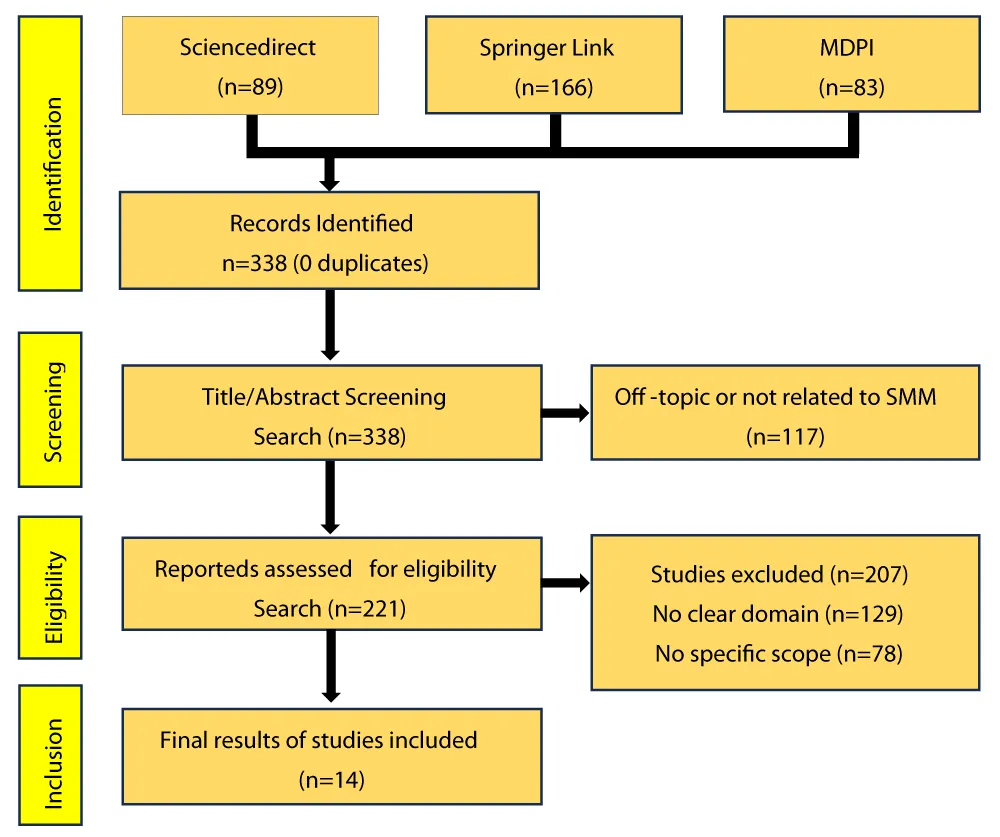
Figure 1: PRISMA flowchart of study selection and inclusion process.
Specifically, 166 studies (49.11%) were retrieved from Springer Link, 89 studies (26.33%) from ScienceDirect, and 83 studies (24.56%) from MDPI. No duplicate records were identified across the three databases. All 338 studies were subjected to title and abstract screening, during which 117 studies were excluded from being off-topic or not related to social media marketing. Tis left 221 studies, which were assessed for eligibility. During the eligibility assessment, and 207 studies were excluded for failing to meet th predefined eligibility criteria. The primary reasons for exclusion were the absence of a clear fit with one of the business-function domains (n = 129) and the lack of a specific scope within business conetext (n = 78). After completing all stages of screening and eligibility assessment, 14 studies satisfied all inclusion of criteria and were included in the final systematic review. These studies served as the primary sources of evidence for the synthesis and analysis conducted in the present research.
The social media 5 academic domains
The five domains examined in this review, brand awareness and promotion, customer engagement and interaction, market research and insights, content creation and distribution, and sales and lead generation were defined priori by the author, drawing on general familiarity with the social media marketing literature rather than a single established theoretical framework or taxonomy. The 14 included studies were subsequently read in full and classified against these five-predefined domains, based on which business function(s) each study’s findings most directly addressed. A study could be classified into more than domain where its findings spanned multiple functions. The first domain, Brand Awareness and Promotion encompassing targeted advertising, content marketing, influencer collaborations, user-generated content, cross promotion across platforms, analytics/ performance tracking. Influencer-driven content shaped brand impressions and audience engagement [7], operating through source-credibility mechanisms such as trustworthiness and expertise [8], and measurably affects advertising attitudes and purchase intention [9]. The second domain is Customer Engagement and Interaction which encompasses real time communication and engagement using integrated features including messenger, comments, like or shares for customer inquiries [10], Feedback and Surveys providing valuable insights into customer needs and expectations, allowing for data-driven improvements in products and services, Content Sharing and Interaction encouraging customers to share their experiences with the brand through user-generated content (UGC) and testimonials, Customer Support and Service or Chatbots through social media channels [11], addressing issues and resolving complaints publicly or privately, Content Engagement Metrics (likes, shares, comments) [12] to understand what content resonates with the audience.
Additionally, the third domain is Market Research and Insights which includes Audience Analysis utilizing social media analytics tools to gather demographic and psychographic data about followers and potential customers [13], Trend Monitoring with marketing analytics, firms can more accurately predict consumers’ changing preferences and formulate appropriate strategies to engage with them and become more market-adaptable and competitive in the present and the future [14], Competitor Analysis providing insights into competitors’ strengths and weaknesses, helping businesses identify opportunities for differentiation and improvement like online reviews and maps visualized the text-net technique as efficient representation of satisfaction and dissatisfaction [15], Product Development Insight ensuring that new products or features align with customer needs and preferences, increasing the likelihood of success [16].
In the fourth domain, Content Creation Strategy and Distribution which is creating and sharing engaging content that resonates with the target audience , driving traffic and interest in the brand. It involves Content Strategy Development which ensures that all content aligns with business objectives and resonates with the intended audience [17], maximizing engagement and effectiveness, Content Creation engaging users through diverse formats, catering to different preferences and increasing the likelihood of shares and interaction, Visual Content Design to capture, attention and improves engagement rates, as visually appealing content or visual congruence is more likely to be shared and remembered [18], Audience Engagement with social media-based brand communities fostering a sense of community and encourages ongoing interaction, which can lead to increased brand loyalty [19], User-Generated Content (UGC) Promotion to Builds authenticity and trust, as potential customers are more likely to engage with content created by their peers [20], SEO and Hashtag Strategy to enhance the visibility of content, making it easier for users to find and engage with the brand [21,22]. Finally, the fifth domain is Sales and Lead Generation by using social media as a channel for generating leads, driving conversions, and increasing sales through targeted advertising and promotions. It includes Social Media Advertising to increases visibility and generates leads through paid promotions, allowing for precise targeting based on user data [23], Engagement and Relationship Building builds trust and rapport with potential customers, making them more likely to consider the brand when making purchasing decisions, Customer Testimonials and Reviews encouraging potential customers to consider the brand, as social proof can significantly influence purchasing decisions [24,25], Promotions and Discounts as customer loyalty offering exclusive promotions, discounts, or limited-time offers through social media channels to incentivize purchases [26,27], Webinars and Live Events; Host webinars, live Q&A sessions, or virtual events to showcase products, provide valuable information, and engage with potential leads [28-30].
Table 1 shows the analysis of the 14 included studies, and Table 2 shows the mapping studies of the five social media business domains. Figure 2 shows the 5 domains where social media impacted Business Industry. Figure 3 shows the potential contributions of social media in business industry.
| Table 1: Included studies by domain across various databases. | |
| Domain | Authors |
| Domain 1: Brand Awareness and Promotion | Zollo, et al. (2020), Li, et al. (2021) Mathur (2020) |
| Domain 2: Customer Engagement and Interaction | Vinerean & Opreana (2021), Shawky, et al. (2020), De Oliveira Santini, et al. (2020) |
| Domain 3: Market Research and Insights | Dwivedi, et al. (2021), Gikikas, et al. (2022), Chen, et al. (2025) |
| Domain 4: Content Creation and Distribution | Ho, et al. (2020), Santiago, et al. (2022) |
| Domain 5: Sales and Lead Generation | Agnihotri (2020), Dolega, et al. (2021), Terho, et al. (2022) |
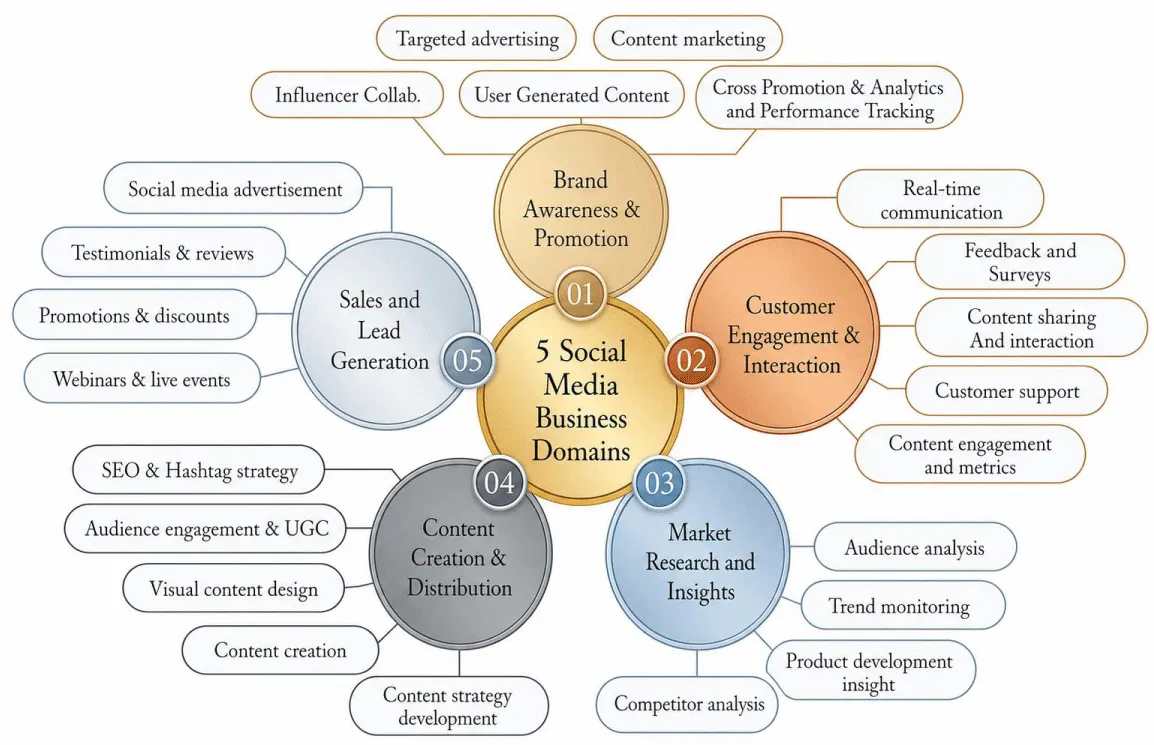
Figure 2: The 5 domains where social media impacted Business Industry.
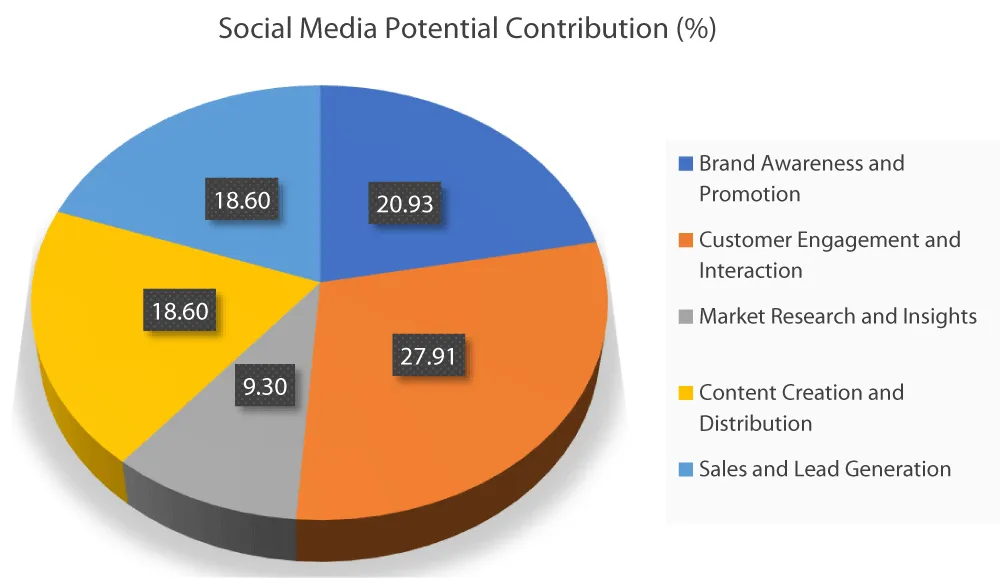
Figure 3: Social media potential contribution in business industry.
Social media for business industry
Today, a variety of social media platforms play pivotal roles in supporting business growth, each offering unique features suited to specific business needs. Social media are one type of communication channel that organizations currently use to support these strategies [31]. For instance, popularity of social media proposes a huge potential for businesses in terms of marketing Popularity of social media proposes a huge potential for businesses in term of marketing [32], customer relationship management, and even strategy [33]. Such value creation is especially important for smaller firms with limited financial resource. Creating value or providing an attractive value proposition is the strategic goal of any organization. In addition, various social media platforms have different features that are available for use by the subscribers. Social media has also made it easier for people to do business. This is mainly due to the fact that it opens up the global market and it is also cheaper to advertise [34]. Efendi [35] states, empirical findings suggest that businesses offering visually oriented products such as those in the fashion and culinary sectors tend to select platforms like Instagram, TikTok, and Facebook, given their visual and interactive features that align well with product presentation and consumer appeal.
For instance, findings in a study of Yoo [36] regarding the use of Instagram for businesses, found that: (1) luxury brand images with logos and brand names had higher user engagement whereas fast fashion brand images did not show this same trend; (2) the size of the brand name and logo in an image was negatively related to the user engagement or had no effect, regardless of the brand category; and (3) the use of embedded text within an image positively influenced user engagement for luxury brands whereas it negatively influenced user engagement for fast fashion brands. On the other hand, TikTok also has become a game-changer for businesses targeting younger audiences, especially with short-form, entertaining content. Study of Hou, et al. [37] on Pinterest indicates that Pinterest is the visual discovery platform where people find inspiration, curate ideas, and shop products for all life’s moments. An in tentful journey can start when Pinners (users) click on Pins and arrive at the Closeup surface, where they can continue to explore or refine their intent by browsing related content powered by our visual search and related recommendation engines. Product Pins, or contents that are linked to merchants and are buyable in general, are critical to realizable fulfillment in Pinners’ exploratory journey. Sun & Zhang [39] also found significant findings on TikTok stating, TikTok platform provides a wide space and possibility for brand marketing with its unique short video format and precise user positioning. Through creative content, KOL cooperation, user interaction, and other methods, luxury brands have effectively enhanced brand awareness and user stickiness. At the same time, with the continuous improvement of the functions of TikTok platform and the changing needs of users, the methods and strategies of brand marketing are also constantly innovating and developing. Meanwhile, Facebook is also commonly used for community building for reaching younger audiences [38].
The platform’s viral nature and algorithm make it ideal for quick brand awareness and engagement, yet its business analytics and ad management are more limited compared to Facebook or LinkedIn. LinkedIn, meanwhile, remains essential for B2B marketing, recruitment, and industry networking. It enables businesses to connect with professionals, generate leads, and establish thought leadership, but its audience focus makes it less effective for direct-to-consumer sales. LinkedIn can be utilized consistently supporting formal professional identity, recruitment, and institutional signaling [40]. For businesses that benefit from interactive customer feedback, Twitter is invaluable, offering real-time engagement and customer service capabilities. Brands can communicate directly with customers, address complaints, and stay relevant with trending topics, though it can be challenging to stand out due to rapid content turnover. As per by Cripps, et al. [41], twitter facilitates building relevant business relationships through the exchange of new, expert and high-quality information within like-minded communities in real time, between companies and with their suppliers, customers and also their peers. Twitter is for B2B marketing and demonstrated that it can be a tool for crowdsourcing, knowledge sharing and creating innovation in B2B markets.
Furthermore, YouTube plays a unique role by providing long-form video content opportunities, allowing businesses to build in-depth product tutorials, brand stories, and educational content. However, video production can be resource-intensive, and YouTube’s algorithm prioritizes engaging, high-quality content, making it necessary for brands to invest in consistent content creation. As such, YouTube Advertising influences brand awareness and brand image, whereas brand awareness and brand image do not affect purchase intention. YouTube ads are directly related to the purchase intention [42]. Finally, WhatsApp and Messenger are increasingly integrated into business communications, especially for customer service and personalized marketing. They allow direct messaging between businesses and customers, facilitating quick queries, order updates, and customer feedback. Main tasks of messenger marketing are defined: automation and optimization of managers’ work, which makes it possible to minimize the response time to the application, qualification of potential customers (leads), optimization of advertising costs [43]. On the other hand, WhatsApp business can help businesses expand their reach and increase engagement with customers directly [44].
Each of these platforms serves distinct business functions, from direct sales to customer service and brand building. Selecting the right platform based on target audience and business goals is crucial, as each social media network brings unique advantages and limitations to the digital marketing landscape. Table 3 shows the comparative analysis of the most famous social media tools for businesses. Beyond platform-specific features, broader empirical evidence points to social media’s uneven but generally positive effect on business performance, particularly among small and medium enterprises (SMEs). On the study of Pellegrino & Abe [46], a bibliometric review of 293 Scopus-indexed articles published between 2007 and 2022 found that SME-focused social media research has concentrated heavily on customer engagement, ROI metric, and marketing strategy, while identifying persistent gaps in how firms actually quantify social media’s financial return. This measurement gap is echoed elsewhere in the literature: despite widespread recognition that social media has become embedded in everyday marketing practice, researchers note that companies continue to struggle to calculate return on investment from their social media efforts, often focusing narrowly on tangible outcomes such as sales while overlooking intangible outcomes like brand awareness, customer relationship, and electronic word-of-mouth [45].
| Table 3: Mapping the 14 studies to the 5 social media domains. | ||||||
| Sn | Author & year | Domain 1: Brand awareness and promotion | Domain 2: Customer engagement and interaction | Domain 3: Market research and insights | Domain 4: Content creation and distribution | Domain 5: Sales and lead generation |
| 1 | Vinerean & Opreana (2021) | Engagement fosters favorable brand outlooks and emotional connections | Engagement driven by involvement, participation, and commitment | Engagement is a key predictor of customer loyalty, supporting transactional exchanges | ||
| 2 | Zollo, et al (2020) | Brand equity strengthened through cognitive, personal-integrative, and social-integrative benefits | Brand communities encourage customer interaction and experience | Informative content prohibited over promotional content | ||
| 3 | Ho, et al. (2020) | Content aligned with brand values enhances branding and modernization | Compelling content interaction for engaging audiences, value generated when content is consumed and shared | |||
| 4 | Shawky, et al (2020) | Connection, interaction, loyalty, and advocacy as key engagement levels | ||||
| 5 | Agnihotri (2020) | Facilitates ongoing B2B interactions, trust, and relationship-building via social CRM | Analytics tools for monitoring customer engagement and behavior | Social networking and information-sharing tools (blogs, microblogs, wikis) | Social CRM and online social capital support B2B sales processes. | |
| 6 | Dwivedi, et al. (2021) | Builds trust and brand reputation through positive eWOM | AI/AR/ML technologies enhance customer engagement and trust | Tools/mechanisms manage eWOM overload and online brand presence | ||
| 7 | Dolega, et al. (2021) | Increases website traffic and business visibility | Provices intelligence for allocating marketieng resources by product complexity/cost | Larger campaigns significantly boost orders and sales; Facebook most effective channel | ||
| 8 | Gkikas, et al. (2022) | Readable, longer postws with more hashtags improve brand awareness | Text readability, length and hashtags positively associated user engagement | Text characteristics (length, readability, hashtag count) shape content performance | ||
| 9 | Santiago, et al. (2022) | Firm-generated content has little effect on brand equity/attitude | FGC drives some customer engagement | Calls for rethinking FGC-heavy content strategies | FGC negatively influences purchase intention | |
| 10 | Terho, et al. (2022) | Connecting and engaging activities build salesperson thought leadership | Insight generation from social media activity | Organizational content support facilitates social selling activities | Boosts customer acquisition and overall B2B sales performance | |
| 11 | Li, et al. (2021) | Customer value generated through firm-customer and customer-customer connections/interactions | Social networks strategically leveraged for resource transformation and exchange | |||
| 12 | De Oliveira Santini [65] | Engagement driven by satisfaction, positive emotions, and trust (not commitment) | Meta-analytic insights inform emotional-appeal strategies for behavior change | |||
| 13 | Mathur (2020) | Social media equity bulds brand value and reduces firm risk | Social capital (reciprocity, cohesion, centrality) drives brand equity and sales potential. | |||
| 14 | Ahmad, et al. (2026) | Trending/bestseller cues and influencer content build visibility via social comparison | Social comparision and UGC/influencer content trigger consumer engagement | Dual-framed content (utilitarian and hedonic messaging) shapes purchase-related content | Social comparison and shopping values significantly drive impulsive purchase decisions. | |
Adoption itself is not automatic, even where the potential benefit is clear. A study of 508 Indonesian SMEs employing the Technology-Organization-Environment Framework found that technological concerns, specifically perceived complexity and cost, created hesitancy toward social media marketing adoption, while organizational factors such as topic management support and perceived employe capability, along with external customer and vendor pressure, significantly propelled adoption forward; critically, the study confirmed a substantial positive relationship between the strategic incorporation of social media marketing and the enhancement of SME performance [47]. This finding is consistent with more localized evidence. A study of SMEs in Palembang, South Sumatera Indonesia found that social media marketing has an impact on annual sales performance ranging from 10 to 30 percent among adopting firms [48]. Taken together, this broad literature suggests that social media’s business value is real but conditional. It depends on organizational readiness and management support as much as on the platform-specific features discussed above, a pattern that aligns closely with the adoption barriers and firm-performance outcomes examined across the 14 studies reviewed in this paper.
Comparison of popular social media platforms for businesses (Table 4)
Table 4: Comparison of popular social media platforms by domains. |
|||||
| Social Media | Brand Awareness & Promotion | Customer Engagement & Interaction | Market Research & Insights | Content Creation & Distribution | Sales and Lead Generation |
| Yes | Yes | Yes | Yes | Yes | |
| TikTok | Yes | Yes | Yes | Yes | Yes1 |
| Yes | Yes | Yes | Yes | Partial1 | |
| Twitter/X | Yes | Yes | Yes | Yes | Partial2 |
| Yes | Yes | Yes | Yes | Yes | |
| YouTube | Yes | Partial2 | Yes | Yes | Partial1 |
| Partial3 | Yes | Partial4 | Partial4 | Yes6 | |
| Messenger | Partial3 | Yes | Partial5 | No | Partial1 |
| Yes | Partial2 | Yes7 | Yes | Partial1 | |
Notes: 1Ads/shopping features present; no native storefront or review system. 2Limited to comments; no native DM at scale. 3No independent ad-targeting surface; routes through Meta Ads Manager. 4Limited to Business API messaging/catalog features, not broader tools. 5Basic metrics only, via Meta Business Suite. 6Direct catalog-based sales and conversational commerce via Business API. 7Pinterest trend tools explicitly support audience and trend analysis. |
|||||
Social media potential contribution in business industry based on Table 3
Keyword co-occurrence analysis
To complement the domain-based synthesis, a keyword co-occurrence map was generated using VOSviewer based on the titles and abstract of the 14 included studies (binary counting, minimum term occurrence = 2). Of 493 candidate terms, 57 met the threshold, and the 34 (60%) most relevant terms were retained for mapping (Figure 4). Four clustered emerged: a blue cluster centered on brand value, practical implications, definition, facebook, company, word, mouth; a yellow cluster centered on consumer, mediating role, information and brand equity; a red cluster centered on brand awareness, question, consumer behavior, current research, article and sale; and a green cluster centered on engagement, relationship, importance, scholar, activity, measure, challenge and antecedent. The terms engagement, relationhsip, importance, and brand awareness occupied the most central positions, each linking across multiple clusters.
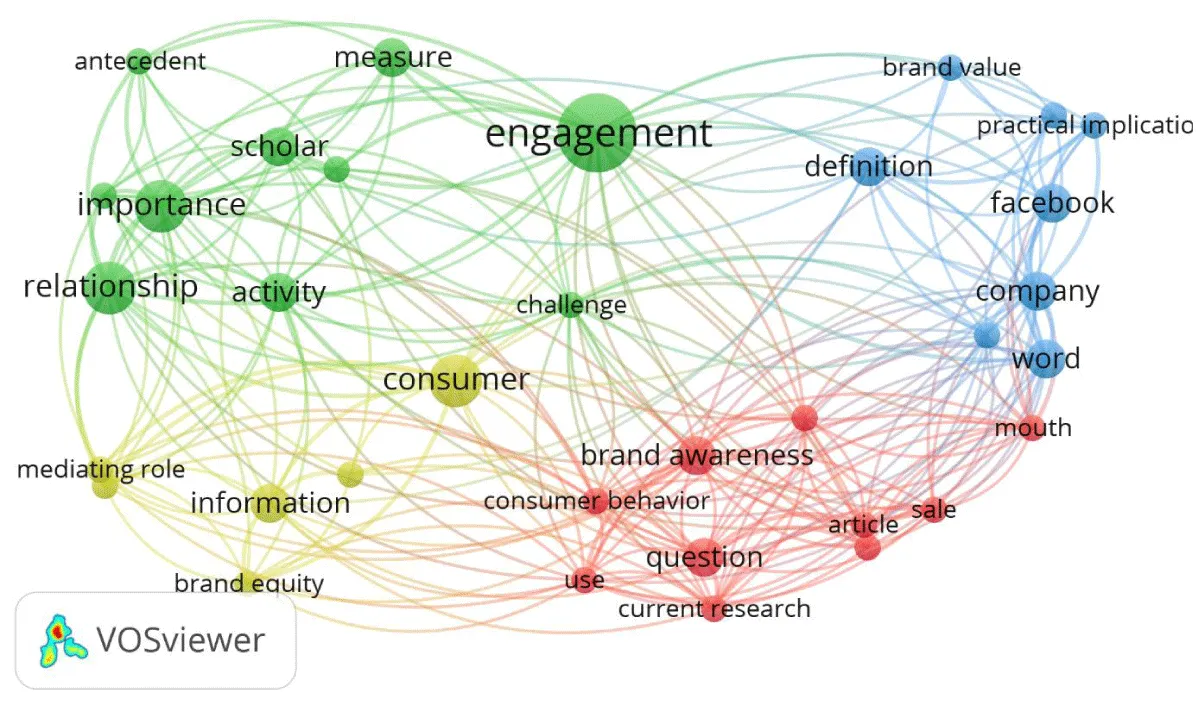
Figure 4: Keyword co-occurrence map.
Domain 1: Brand awareness and promotion
Brand awareness and promotion is addressed in 9 of the 14 studies, the second most represented domain. Zollo, et al. [49] found that cognitive, personal-integrative, and social-integrative benefits derived from brand-community participation significantly strengthen brand equity, while hedonic benefits alone do not, indicating that awareness-building depends on benefit type rather than participation volume. Ho et al. [50] reinforce this qualitative pattern, finding that content aligned with brand values enhances branding and supports firm modernization. Gkikas, et al. [51] provide the most granular test, showing that longer, more readable Facebook posts with more hashtags significantly improve brand awareness metrics. Dwivedi, et al. [52] and Dolega, et al. [53] link awareness to broader digital infrastructure: the former through positive electronic word-of-mouth building trust and reputation, and the latter through social media’s direct effect on website traffic and business visibility. Santiago, et al. [54] offer a cautionary counterpoint, finding that firm-generated content has little effect on brand equity or attitude despite its popularity as a promotional tool. Mathur [55] extends the construct toward brand value itself, showing that social media equity, built from psychological and social capital, reduces firm risk, while Ahmad, et al. [56] and Vinerean and Opreana [57] tie awareness to consumer-level psychological mechanisms: trending/bestseller cues and social comparison in the former, and favorable brand outlooks and emotional connection in the latter.
Domain 2: Customer engagement and interaction
Customer engagement is the most represented domain in this sample, appearing in 11 of the 14 studies. Vinerean and Opreana [57] provide the clearest foundational test, showing that engagement is driven by involvement, participation, and commitment, and functions as a key predictor of customer loyalty. De Oliveira Santini [65], via a large-scale meta-analysis, corroborates this, finding that engagement is driven by satisfaction, positive emotion, and trust, but notably not by commitment. Shawky, et al. [58] approach engagement qualitatively, identifying connection, interaction, loyalty, and advocacy as key engagement levels. Agnihotri [59] and Terho, et al. [60] extend engagement into B2B contexts, with Agnihotri emphasizing ongoing interaction, trust, and Social CRM integration, and Terho, et al. empirically validating “connecting” and “engaging” as core social-selling activities that build salesperson thought leadership. Zollo, et al. [49] and Gkikas, et al. [51] treat engagement as encouraged by brand-community interaction and text-based content characteristics, respectively, while Dwivedi, et al. [52] note that AI and AR technologies hold significant potential to enhance engagement and trust. Li, et al. [33] frame engagement more conceptually, arguing that customer value is generated through firm–customer and customer–customer connections rather than through social media use alone. Santiago, et al. [54] and Ahmad, et al. [56] round out the domain, with the former showing that firm-generated content drives some engagement, and the latter showing that social comparison and user-generated/influencer content trigger consumer engagement.
Domain 3: Market research and insights
Market research and insights remains the least represented domain, addressed in only 4 of the 14 studies. Terho, et al. [60] offer the clearest evidence, identifying insight generation from social media activity as one of three validated dimensions of B2B social-selling behavior. Dolega, et al. [53] similarly find that social media provides intelligence for allocating marketing resources according to product complexity and cost. Agnihotri [59] points to analytics tools for monitoring customer engagement and behavior in B2B markets, while De Oliveira Santini [65] contributes meta-analytic insights that inform emotional-appeal strategies for behavior change. As in prior domain assessments, no study in this sample makes market intelligence its central research question — it consistently appears as a secondary or supporting function nested within studies primarily testing engagement, brand, or sales outcomes, confirming that this remains the most under-investigated of the five domains..
Domain 4: Content creation and distribution
Content creation and distribution is addressed in 8 of the 14 studies. Ho et al. [50] anchor this domain most directly, proposing that compelling content generates value for engaging audiences when it is consumed and shared. Gkikas, et al. [51] provide the domain’s most granular empirical test, isolating specific content characteristics, length, readability, hashtag count and linking them directly to performance outcomes. Zollo, et al. [49] identify informative content, rather than promotional content, as the operative mechanism behind their brand-equity findings, while Santiago, et al. [54] offer a cautionary counterpoint, calling for firms to rethink FGC-heavy content strategies given its limited effect on brand equity and attitude. Agnihotri [59] and Terho, et al. [60] treat content from a supporting-infrastructure perspective, social networking and information-sharing tools in the former, and organizational content support facilitating social-selling activities in the latter. Dwivedi, et al. [52] focus on content-adjacent tools and mechanisms for managing eWOM overload and online brand presence, and Ahmad, et al. [56] close the domain with dual-framed content, pairing utilitarian and hedonic messaging, shown to shape purchase-related content effectiveness.
Domain 5: Sales and lead generation
Sales and lead generation is addressed in 8 of the 14 studies. Dolega, et al. [53] provide the most direct transactional test, finding that larger social media campaigns significantly boost orders and sales, with Facebook emerging as the most effective channel. Terho, et al. [60] offer the clearest mediated pathway, showing that social-selling activities boost customer acquisition and overall B2B sales performance. Li et al. [33] find that social networks are strategically leveraged for resource transformation and exchange, while Mathur [55] shows that social capital — reciprocity, cohesion, and centrality — drives brand equity and sales potential at the firm level. Agnihotri [59] frames the domain organizationally, noting that Social CRM and online social capital support B2B sales processes. Santiago, et al. [54] complicate the sales narrative, finding that firm-generated content negatively influences purchase intention. Vinerean and Opreana [57] and Ahmad et al. [56] close the domain at the consumer level: the former establishing engagement as a key predictor of customer loyalty supporting transactional exchanges, and the latter showing that social comparison and shopping values significantly drive impulsive purchase decisions.
Social media potential contribution in business industry
Figure 3 presents the proportional distribution of the five domains derived from Table 2. Customer engagement and interaction accounts for the largest share of social media’s demonstrated contribution (12 of 14 studies, 27.91% of total domain mentions across the sample), followed by Brand Awareness and Promotion (9 of 14, 20.93%), Content Creation and Distribution (8 of 14, 18.60%), Sales and Lead Generation (8 of 14, 18.60%), and Market Research and Insights, the smallest share (4 of 14, 9.30%). This distribution is consistent with findings reported in the broader social media marketing literature. The prominence of engagement and brand-related outcomes is supported by Kulikovskaja, et al. [61], who identified social media-based customer engagement as a significant driver of marketing outcomes like customer loyalty and positive word-of-mouth, and by Wang, et al. [62], who demonstrate that active interaction within online brand communities fosters psychological involvement, directly increasing brand loyalty and purchase intention. This engagement enhances brand identity and trust, driven by factors such as interactivity, social belonging, and a mix of entertaining and informative content. These findings is tailored in the present results, in which customer engagement is addressed as a central construct in the majority of the 14 included studies.
Table 2: Analysis of the 14 included studies. |
|||||||
| Sn | Author & year | Title | Main focus | Findings/ Synthesis |
Social media applications in business | Limitations | Recommendations |
| 1 | Vinerean & Opreana (2021) | Measuring Customer Engagement in Social Media Marketing: A Higher-Order Model | Examines customer engagement in social media marketing, considering three antecendents (involvement, customer participation, commitment) and a main consequence (loyalty) in a quantitative study, based on a cross-sectional online survey and using an international sample of respondents. | It reveals that customer engagement, as a higher-order construct, is driven by customer participation, involvement, and commitment, and, moreover, customer engagement is an essential predictor of customer loyalty | Customer engagement aids the development of favorable outlooks for brands, leading to emotional connections when considering transactional exchanges | Multiple-countries random sample thaat results cannot be generalized. Use of non-probability convenience sampling and online survey may lead to measurement error. | Considering the surge of social media, marketers must find new ways to leverage customer engagement on digital platforms. With its strategic role for a company’s performance, social media is a channel that requires resource allocation in the form of social media listening tools, brand content propagation, or public relations coordination. |
| 2 | Zollo et. al (2020) | Unpacking the relationship between social media marketing and brand equity: The mediating role of consumers’ benefits and experience. |
To examine how social media marketing (SMM) activities influence consumer-based brand equity (CBBE) among Millennials by investigating the mediating roles of consumer benefits obtained from social media brand communities and brand experience in the luxury fashion industry. | The study found that cognitive, personal-integrative, and social-integrative benefits significantly mediated the relationship between social media marketing activities and consumer-based brand equity, hedonic benefits do not. | Businesses can strengthen brand equity by developing social media brand communities that provide informative content, encourage customer interaction, and foster meaningful brand experiences. Rather than focusing solely on promotional content. | Research was limited to 326 Millennials followers of luxury fashion brands, restricting the generalizability of the findings to other industries, age groups, and cultural contexts. Cross-sectional design also prevented causal conclusions. | Business should design social media strategies that enhance consumers’ cognitive and social experiences through interactive content and community participation. Future studies should investigate different industries, demographic groups, and longitudinal effects of social media marketing on brand equity. |
| 3 | Ho et al. (2020) |
|
To develop a conceptual framework that identifies engaging CM practices, specifically how compelling content is created | Findings point to the need for content creation to align with brand values and value creation to create and socialise compelling content for positive impact. | Content created for audiences and marketed brands can generate value when it is consumed and shared. | The study is limited to companies operating in asia. Requires implementation in other regions. It did not extend to how consumers responded to CM posts. | CM is also a requisite for companies seeking to modernise their marketing practices through digitalization to enhance branding, particularly for small and medium-sized companies. |
| 4 | Shawky et. al (2020) | A dynamic framework for managing customer engagement on social media | The focus is to propose an integratd, dynamic and measurable framework for managing customer engagement on social media and advance our understanding of engagement between multiple actors that are increasingly contributed to the success of marketing activities on social media. | Analysis of data revealed four themes from an interview: connection, interaction, loyalty, and advocacy as aa key level of engagement on social media | Social media is become a pervasive communication tool, creating connection and opportunities for customer engagement. | Interviewed without participants under 25. Specifically, in egypt and can be replicated elsewhere | Social mediahave redefined simple dyadic interactions between customer and marketers, transforming them into more complex interactions between multiple groups of actors, including customers, organisations, stakeholders, and non-customers |
| 5 | Agnihotri (2020) | Social media, customer engagement, and sales organizations: A research agenda | To develop research agenda that explores the role of social media in enhancing customer engagement within business markets. | Social media significantly enhances engagement in B2B markets by facilitation ongoing interactions, trsut, and relationship-building, especially when integrated effectively with social CRM and organizational processes. | Social media applications in B2B markets should include tools for social networking, and information sharing (e.g., blogs, microblogs, wikis), social relationship management via Social CRM, onling social capital development, and analytics for monitoring customer engagement and behaviors. |
|
|
| 6 | Dwivedi et al. (2021) | Setting the future of digital and social media marketing research: Perspectives and research propositions | Explore the current challenges, opportunities, and future research directions in digital and social media marketing, particularly emphasizing the roles and implications of emerging technoogies such as artificial intelligence (AI), augmented reality (AR), and machine learning (ML). | It highlights the significant potential of AI and VR technologies for enhancing marketing effectiveness, including customer engagement and trust. It also emphasizes the importance of ethical practices and explainability in AI applications, as well as the need to manage eWOM overload through innovative tools and mechanisms. | Social media marketing is a crucial component that enhances customer engagement behaviors and journeys, demonstrating its effectivenes in building trust and fostering positive electronic word-of-mouth (eWOM). It also highlights the need for appliying new tools and mechanisms to mitigate eWOM overload and manage online brand presence effectively | Relies on B2C and B2C comparison. Several studies rely on relatively small sample sizes (75 companies) and small number of interviews (7 experts) | Business should leverage AI and VS technologies to enhance customer engagement and experience. They must prioritize ethical practices and transparent in using AI and machine learning to built trust. Additionally, developing tools to manage eWOM overload and ensuring respectful, engaging online interactions can improve brand reputation and customer relationships. |
| 7 | Dolega et al. (2021) | Going digital? The impact of social media marketing on retail website traffic, orders and sales | Examines the impact of daily social media activity on daily business outcomes: website traffic, order, and sales. | Findings reveal that social media leads to increased web traffic, but it does not produce a significant rise in product orders and sale income. Larger social media campaigns tend to result in significantly higher number or orders and sale income, and Facebook emerges as the most effective channel. Effectiveness of social media marketingt varies across product depending on their complexiy, cost and brand status. | Social media marketing impact business and provide intelligence on how to allocate resources to develop marketing campaigns. | Reliance on data from a single retail company, which limits generalizability. Social media data tracks orders or sales places directly via social media ads, potentially underestimating the overall influence of social media marketing when users access the website through other channels after seeing the ad. | Company should develop a more effective strategy for managing the highly complex nature of communication through social media marketing. To better target their social media campaigns for more cost effective and efficient marketing, and to better allocate resources to the more complex product campaigns that have a larger effect on achieving the desired outcome of increased product demand. |
| 8 | Gkikas et al. (2022) | How do text characteristics impact user engagement in social media posts: Modeling content readability, length, and hashtags number in Facebook | Examines whether text characteristics in branded Facebook image posts associate with consumer engagement and brand awareness. | Positive associations were indicated between all performance metrics and text’s lengths, as well as the number hashtags. Overall, results revealed that, the post’s text which is easy to read, long (more than 31 words, or more than 321 characters), and contains many hashtags tends to achieve higher performance of engagement and awareness. | Results can be useful to markets, business owners and decision makers assisting them to efficiently promote their businesses through organic posts and interpret the users’ interactions. | Not wide dataset which limits generalizability. Focused on organic (not paid) posts without including any advertising campaigns, which might bring different engagement outcomes. Dataset posed some restrictions since some basic engagement metrics were not sufficient. | Readability scores on text in image posts should receive higher consideration since they might associate with both user engagement and awareness metrics in Facebook organic image posts. |
| 9 | Santiago et al. (2022) | Is firm-generated content a lost cause? | Examines how firm-generated content (FGC) influences consumer purchase intention mediated through brand equity and attitude | Findings suggest that firm- generated content negatively influences purchase intention and has little effect on brand equity and attitude | Firm-generated content (FGC) on social media as a business tool drives customer engagement and purchase intention relevant toward digital sales funnels. | Relies on survey data analyzed via PLS-SEM which limits generalizability to the specific sample surveyed. And single cross-sectional in a pandemic context. | Business should rethin FGC-heavy social media strategies and instead priotitize building brand equity and shaping consumer attitudes to convert engagement into actual sales. |
| 10 | Terho et al. (2022) | Measuring B2B social selling: Key activities, antecedents and performance outcomes | To advance social media-focused sales research by building and validating activity-based measurs for B2B social selling | Insight generation, connecting, and engaging significantly predicts salesperson thought leadership, which turns mediates positive effects on customer acquisition and overall sales performance. Organizational suppoty through social media strategy, tools, and content, along with sales technology orientation, are key antecedents that boost social selling activities. | Salespersons strategically use social media applications to generate customer insights, connect with relevant industry actors, and engage customers by sharing valuable content, thereby enhancing their sales effectiveness and thought leadership | Scales validation was done based on single respondent data. Relies on panel provider data that limits generalizability of the found antecendets and outcome relationships shpuld be confirmed with industry samples. | Organizations can also invest in social media strategy, selling tools, and content support facilitating activities, making social media a crucial platform for relationship building and customer acquisition in B2B sales. |
| 11 | Li et al. (2021) | Social media marketing strategy: definition, conceptualization, taxonomy, validation, and future agenda | Determining definition, conceptualization, taxonomy, validation and future agenda of social media marketing strategies (SMMSs) | The use of social media alone does not generate customer value, which instead is attained through the generation of connections and interactions between the firm and its customers, as well as among customers themselves. These generated social networks and influences can subsequently bse used strategically for resource transformation and exchanges between the interacting parties. | The success of various SMMSs will depend in the firms willingness to allocate resources in order to foster collaborative conversations, develop appropriate responses, and enhances customer relationships. Managers also need to set objectives ar the outset to guide effective development, implementation, and control of SMMSs. | Reliance on qualitative data from a limited sample of social media practitioners and managers, which may affect generalizability of its findings across all industries and organizations. Categorizations of SMMSs os based on current technological and strategic contexts, which mayh evolve, rapidly, potentially impacting the relevance of the taxonomy in the future. | SMMs developmental process suggests that firms first need to recognize customers’ motivations to engage in brand-related social media activities and encourage their voluntary contributions. |
| 12 | De Oliveira Santini [65] | Customer engagement in social media: a framework and meta-analysis | Examines customer engagement in social media (CESM) using a meta-analytic model of 814 effect sizes across 97 studies involging 161,059 respondents. | Findings reveals that customer engagement is driven by satisfactionss, positive emotions and trust, but not by commitment. Satisfaction is a stronger predictor of customer engagement in high (vs.)low convenience, B2B (vs. B2C), and Twitter (vs. Facebook and Blogs). Twitter is twice platform to improvr customer engagement via satisfaction and positive emotions. | Managers and public policymakers tests how different emotions affect customer engagement in social media because they often use emotioanl appeals to incentivize particular behaviors, such as improving consumers’ health and safety choices. | Lack of discriminant validitty between trust-commitment relationship and the variants in its measurement. Did not evaluate the role of emotions in the customer engagement framework more specifically. | More attention is needed to examine negative customer engagement potentially driven by various negative emotions. This needs investigation in improving customer engagement thereby make positive impact. |
| 13 | Mathur (2020) | Improving the value of the retailer brand through social media equity | Establish key drivers and measures of social media equity, an essential aspect of a brand’s value, particularly in the evolving landscape of social media brand management. | Findings indicate that psychological factors, recognition and integration, influence social capital of the retailer, which in turn drives the ability of the retailer to build social media equity. Reciprocity, cohesion, and centrality of a retailer positively influence social media equity. | Social capital of the retailer brand empowers markets to be effective in generating social media equity, which can be leveraged to reduce firm risk and enhance firm value. | Does not examine the impact of social media equity on firm’s ROI. Did not examine certain situational factors and reactional triggers and their effect on social media equity. Did not address specific social media strategies preventing the consumers from spreading negative buzz and enable retailer brands to successfully manage their businesses online. | It is important for retailer brands to focus social media activities to generate social media equity. Formulating comprehensive marketing strategies in the age of increasing use of social media is essential for retailer brands to achieve a competitive edge. It is also necessary for retailer brands to develop novel strategies to successfully compete in the rapidly changing marketing environment. |
| 14 | Ahmad et al. (2026) | Social comparison and impulse buying behavior: the mediating role of utilitarian and hedonic shopping values in an emerging market | Examines how social comparision drives impulse buying behavior among apparel consumers, testing whether that effect is transmitted through two shopping motivations: utilitarian shopping value (functional/practical justification) and hedonic shopping value (emotional pleasure and escapism). | Social comparison strongly predicts both utilitarian shopping value and hedonic shopping value, and a direct positive effect on impulse buying as well. Both utilitarian and hedonic shopping value significantly drive impulse buying, with utilitarian value showing the stronger effect and both significantly mediate the social-comparison-impulse buying relationship. | Businesses can use social media to trigger social comparison through influencer content, user-generated posts, and “trending”/bestseller cues, since this was the strongest driver of both shopping values and impulse buying in the study. Marketing messages should pair utilitarian framing (deals, practical beneftis) with hedonic framing (excitement, self-reward), as both significantly influenced impulse purchase. | Uses a cross-sentional design and self-reported survey data which limits generalizability and potential bias such as social desirability bias (respondents may underreport impulsive behaviors). Relies on non-probability convenience sampling with modest sample size, and specifically conducted within Pakistani population. | Businesses should design dual-value marketing campaigns. Build social comparison into brand strategy. Invest in product design and UX tha reduces purchase friction. Personalize marketing based on customer segments and educate customers on product value proactively. |
On the other hand, the comparatively limited contribution of Market Research and Insights is similarly consistent with prior studies. Hassani & Mosconi [63] reported that by utilizing social media analytics as an intelligence-gathering and learning tool, manufacturing SMEs can process user-generated content across four key phases—planning, collection, analysis, and dissemination of information to drastically improve their dynamic capabilities and adapt to volatile markets, while Kumar, et al. [64] examined social media role acting as an engine for MSME growth by providing data analytics, market research, and direct consumer insights that drive agile business and marketing decisions. Both studies indicate that the market-research function of social media is empirically supported but represents one input among several in firm decision-making, rather than a dominant function. This is content with present study findings that only 4 of the 14 (9.30%) included studies address this domain directly. Overall, social media’s most consistently demonstrated contribution to business outcomes lies in brand awareness and customer engagement, with its contribution to market research and insights remaining comparatively limited in the empirical literature.
Keyword co-occurrence analysis
The keyword co-occurrence map reinforces the domain-level findings reported above, while also surfacing a methodological pattern that was not directly evident from the manual coding process alone. Four clusters emerged, each corresponding to a distinct facet of how reviewed literature frames and studies social media marketing.
The green cluster (engagement, relationship, importance, activity, antecedent, measure, scholar) is by far the most dominant grouping in the map, both in node size and connectivity, and corresponds most closely to Domain 2. This aligns directly with Vinerean and Opreana [57], who model engagement as a higher-order construct with involvement, participation, and commitment as its antecedents, and with De Oliveira Santini [65], whose meta-analysis of 814 effect sizes similarly treats satisfaction, positive emotion, and trust as measured drivers of engagement rather than descriptive labels. The prominence of engagement as the map’s largest node visually confirms that this domain is the most consistently and rigorously operationalized construct across the sample.
The blue cluster (definition, facebook, company, word, mouth, brand value, practical implication) aligns with Domain 1, reflecting studies that link social media activity to concrete brand and firm-level outcomes. Dolega, et al. [53] identify Facebook specifically as the most effective channel for driving orders and sales, while Dwivedi, et al. [52] and Mathur [55] emphasize word-of-mouth and brand value/equity as the practical mechanisms through which social media activity translates into company-level outcomes, consistent with this cluster’s emphasis on company, word, mouth, and brand value as co-occurring terms.
The yellow cluster (consumer, information, mediating role, brand equity) captures the analytical architecture underlying several Domain 1 findings, particularly the mediation logic used by Zollo, et al. [49], who test consumer benefits and brand experience as mediators of the social-media-marketing-to-brand-equity relationship, and by Santiago, et al. [54], who examine firm-generated content’s effect on purchase intention as mediated through brand equity and attitude. The presence of mediating role and brand equity as co-occurring, tightly linked terms indicates that mediation analysis is a shared analytical convention across the brand-outcome literature in this sample, not an isolated methodological choice.
The red cluster (brand awareness, consumer behavior, question, current research, article, sale, use) is the most consumer-facing grouping, spanning Domains 1 and 5. It reflects studies such as Ahmad et al. [56], which link consumer behavior and social comparison directly to sale-relevant impulsive purchase decisions, and Vinerean and Opreana [57], whose engagement construct is explicitly framed as supporting transactional exchange. The terms consumer and brand awareness act as bridging nodes between this cluster and the green and blue clusters, respectively, reflecting the literature’s tendency to treat awareness and consumer behavior as intermediate steps on the path to sales outcomes rather than as terminal constructs in their own right.
Most notably, no cluster surfaced clear terminology for Domain 3 (market research and insights) or Domain 4 (content creation and distribution), even after applying VOSviewer’s default relevance threshold (493 candidate terms, 57 meeting the minimum occurrence threshold, with the top 60% — 34 terms retained for the final map). This absence is consistent across threshold settings, ruling out an overly strict filter as the cause and instead indicating a genuine underrepresentation of this language in the literature. This independently confirms the manual domain-coding results, in which Domains 3 and 4 were the two least-represented domains (4 of 14 and 8 of 14 studies, respectively). The convergence of two independent methods, manual domain-coding and automated text-mining, strengthens confidence in the review’s conclusion: social media’s market-intelligence and content-strategy functions remain comparatively under-examined relative to its brand- and engagement-facing functions.
This systematic review examined 14 empirical studies to determine how social media contributes to business marketing across five domains: brand awareness and promotion, customer engagement and interaction, market research and insights, content creation and distribution, and sales and lead generation. The findings confirm that social media has become an integral tool for businesses of all sizes, offering direct channels for communication, brand building, and consumer insight were previously unavailable or considerably more costly through traditional marketing. Customer engagement and interaction emerged as the most consistently represented domain, appearing in 13 of the 14 studies, followed closely by brand awareness and promotion in 11 studies. Sales and lead generation, frequently operationalized through purchased intention rather than realized transaction, was addressed in 9 studies, while content creation and distribution appeared in 6. Market research and insights was the least represented domain, present in only 4 studies, despite most major platforms offering native analytics and audience-insight tools. This finding was independently corroborated by a supplementary keyword co-occurrence analysis, which found no cluster of terms corresponding to market research or content creation even after relaxing the term-selection threshold, reinforcing that this gap reflects genuine pattern in the literature rather than an artifact of the domain-coding process. This suggests that empirical literature has concentrated disproportionately on persuasion-facing functions of social media, such as building awareness and driving engagement, while its potential as a firm-side intelligence-gathering tool remains comparatively under-examined.
Theoretical and practical implications
Theoretically, this review contributes a five-domain framework that consolidates a fragmented body of literature into a structure that can guide future empirical work, and it identifies market research and insights as a domain warranting greater scholarly attention relative to its documented platform-level capability. Practically, the findings offer several implications for business. First, firms should prioritize consistent, high-quality, and interactive content over sheer posting volume, since content and engagement quality, rather than promotional frequency, were repeatedly identified as the mechanisms driving brand outcomes. Second, platform selection should be guided by target audience and business objectives, as platforms such as Instagram and TikTok favor visually oriented products while LinkedIn and Twitter/X better support B2B relationship-building and real-time customer service. Third, small and medium enterprises (SMEs) in particular stand to benefit from treating social media analytics as a market-research tool, not only a promotional channel, to better understand customer needs and inform product decisions. Finally, because organizational readiness and management support were found to influence adoption and performance outcomes, businesses should invest in building internal social media capability alongside their external-facing strategies. These conclusions should be interpreted in light of the review’s limitations. Unlike a geographically or methodologically homogeneous sample, the included studies span a mix of contexts and designs: quantitative cross-sectional surveys (e.g, [57,49,56]), a large-scale meta-analysis [65], qualitative interview-based research [58], case-study and conceptual-framework work [50], and expert-perspective/research-agenda pieces [52,59]. This heterogeneity strengthens the review’s thematic breadth but limits direct comparability across studies, since findings drawn from conceptual or qualitative work cannot be weighted or interpreted on the same empirical footing as those from validated quantitative models. Additionally, the domain development is a priori approach means the five domains reflect the authors’ own synthesis of how social media marketing functiond are commonly discussed in business and marketing practice, rather than an inductive category set that emerged strictly from the 14 included studies themselves, or a deductive application of a pre-existing, citable theoretical model. The domain boundaries were not independently derived or verified by a second coder, and a different a priori structure (e.g, organized around the marketing mix, or around platform type rather than business function) could plausibly have produced a different classification of the same studies. Future research should test the five-domain framework using consistent methodological designs across Western, East Asian, and African contexts, and should give particular attention to the market research and insights domain, where platform capability appears to outpace empirical investigation of its business value. Future work formalizing these domains against an established framework, or deriving them inductively through structured qualitative coding with inter-rater reliability checks, would stregnthen the reproducibility of this classification.
Author contributions
Conceptualization, N.A.A.; methodology, N.A.A.; software, N.A.A.; validation, N.A.A.; formal analysis, N.A.A.; investigation, N.A.A.; resources, N.A.A.; data curation, N.A.A.; writing—original draft preparation, N.A.A.; writing—review and editing, N.A.A.; visualization, N.A.A.; supervision, N.A.A.; project administration, N.A.A. The author has read and agreed to the published version of the manuscript.
Funding: This research received no external funding.
Data availability statement: The data supporting the findings of this review are derived from the 14 published studies cited in Table 1, all of which are publicly available through their respective publishers. No new data were created.
Acknowledgment: During the preparation of this manuscript, the author use Grammarly for the purposes of grammar and language editing. The author has reviewed and edited the output and takes full responsibility for the content of this publication.
Disclosure statement: Earlier, non-peer-reviewed versions of this evidence synthesis were previously made publicly available by the author as working drafts (including a 2024 draft and a July 2026 preprint posted to Preprints.org, doi:10.20944/preprints202607.1160.v1). This submission is a substantively revised and independent analysis, not a resubmission of that material. Specifically: (1) the literature search was expanded and redirected — the earlier versions searched Google Scholar, Semantic Scholar, and Scispace (102 initial records), while this submission searches ScienceDirect, Springer Link, and MDPI (338 initial records, searched August 11, 2026); (2) this expanded and reoriented search identified an entirely different set of 14 included studies; (3) consequently, the domain-level analysis reflects different underlying evidence — this submission reports a five-domain split of 20.93% / 27.91% / 9.30% / 18.60% / 23.26% across 41 total domain-study codings, compared with 26% / 30% / 9% / 14% / 21% across 43 codings in the earlier draft; and (4) the discussion and conclusions have been revised accordingly to reflect this new evidence base. Portions of the Introduction and conceptual framing in §2.1 retain substantial similarity to the author’s earlier drafts, as they describe the same five-domain conceptual structure; this overlap is disclosed here in the interest of transparency, and the author has revised this language in the present submission to reduce verbatim overlap.
Disclaimer/publisher’s note: The statements, opinions and data contained in all publications are solely those of the individual author(s) and contributor(s) and not of MDPI and/or the editor(s). MDPI and/or the editor(s) disclaim responsibility for any injury to people or property resulting from any ideas, methods, instructions or products referred to in the content.
- Twin A, Kindness D, Courage A. Understanding marketing in business: Key strategies and types. Investopedia. 2026; Available from: https://www.investopedia.com/terms/m/marketing.asp
- Rosário AT, Dias JC. Marketing strategies on social media platforms. International Journal of E-Business Research. 2023; 19(1):1–25. Available from: https://doi.org/10.4018/ijebr.316969
- Guoqiang Z, Bhaumik A. The influence of social media on consumer behavior and digital marketing strategies: A comprehensive review. Advancement in Management and Technology. 2024. 5(2): 30–38. Available from: https://doi.org/10.46977/amt.2024.v05i02.004
- Yang Y. The impact of social media on consumer purchasing decisions. Transactions on Economics Business and Management Research. 2024; 8: 179–187. Available from: https://doi.org/10.62051/bk13z779
- Cheung ML, Pires G, Rosenberger PJ. The influence of perceived social media marketing elements on consumer–brand engagement and brand knowledge. Asia Pacific Journal of Marketing and Logistics. 2020; 32(3): 695–720. Available from: https://doi.org/10.1108/apjml-04-2019-0262
- Riley J. Sustaining customer engagement through social media brand communities. Journal of Global Scholars of Marketing Science. 2020; 30(4): 344–357. Available from: https://doi.org/10.1080/21639159.2020.1766990
- Xu X. Influencer marketing with social platforms: Increasing brand awareness and user engagement. Journal of Education Humanities and Social Sciences. 2023; 19: 228–234. Available from: https://doi.org/10.54097/ehss.v19i.11039
- Van Reijmersdal EA, Walet M, Gudmundsdóttir A. Influencer marketing: explaining the effects of influencer self-presentation strategies on brand responses through source credibility. Marketing Intelligence Planning. 2024; 42(7): 1214–1233. Available from: https://doi.org/10.1108/mip-03-2023-0125
- Herrando C, Hoyos MJM. Influencer endorsement posts and their effects on advertising attitudes and purchase intentions. International Journal of Consumer Studies. 2022; 46(6): 2288–2299. Available from: https://doi.org/10.1111/ijcs.12785
- Lim WM, Rasul T. Customer engagement and social media: Revisiting the past to inform the future. Journal of Business Research2022; 148: 325–342. Available from: https://doi.org/10.1016/j.jbusres.2022.04.068
- Yun J, Park J. The effects of chatbot service recovery with emotion words on customer satisfaction, repurchase intention, and positive word-of-mouth. Frontiers in Psychology. 2022; 13, 922503. Available from: https://doi.org/10.3389/fpsyg.2022.922503
- Eslami SP, Ghasemaghaei M, Hassanein K. Understanding consumer engagement in social media: The role of product lifecycle. Decision Support Systems. 2021; 162: 113707. Available from: https://doi.org/10.1016/j.dss.2021.113707
- Marengo D, Sindermann C, Elhai JD, Montag C. One social media company to rule them all: associations between use of Facebook-owned social media platforms, sociodemographic characteristics, and the big five personality traits. Frontiers in Psychology2020; 11: 936. Available from: https://doi.org/10.3389/fpsyg.2020.00936
- Zhang JZ, Watson GF IV. Marketing ecosystem: An outside-in view for sustainable advantage. Industrial Marketing Management. 2020; 88: 287–304. Available from: https://doi.org/10.1016/j.indmarman.2020.04.023
- Köseoglu MA, Mehraliyev F, Altin M, Okumus F. Competitor intelligence and analysis (CIA) model and online reviews: integrating big data text mining with network analysis for strategic analysis. Tourism Review. 2020; 76(3): 529–552. Available from: https://doi.org/10.1108/tr-10-2019-0406
- Meinel M, Eismann TT, Baccarella CV, Fixson SK, Voigt K. Does applying design thinking result in better new product concepts than a traditional innovation approach? An experimental comparison study. European Management Journal. 2020; 38(4): 661–671. Available from: https://doi.org/10.1016/j.emj.2020.02.002
- Li M, Teng H, Chen C. Unlocking the customer engagement-brand loyalty relationship in tourism social media: The roles of brand attachment and customer trust. Journal of Hospitality and Tourism Management. 2020; 44, 184–192. Available from: https://doi.org/10.1016/j.jhtm.2020.06.015
- Argyris YA, Wang Z, Kim Y, Yin Z. The effects of visual congruence on increasing consumers' brand engagement: An empirical investigation of influencer marketing on Instagram using deep-learning algorithms for automatic image classification. Computers in Human Behavior. 2020;, 112, 106443. Available from: https://doi.org/10.1016/j.chb.2020.106443
- Fernandes T, Castro A. Understanding drivers and outcomes of lurking vs. posting engagement behaviours in social media-based brand communities. Journal of Marketing Management. 2020; 36(7–8): 660–681. Available from: https://doi.org/10.1080/0267257x.2020.1724179
- Geng R, Chen J. The influencing mechanism of interaction quality of UGC on consumers' purchase intention – An empirical analysis. Frontiers in Psychology. 2021; 12: 697382. Available from: https://doi.org/10.3389/fpsyg.2021.697382
- Park KK, Kim H. Understanding brand image from consumer-generated hashtags. Asia Marketing Journal. 2020; 22(3): 71–85. Available from: https://doi.org/10.15830/amj.2020.22.3.71
- Schilhan L, Kaier C, Lackner K. Increasing visibility and discoverability of scholarly publications with academic search engine optimization. Insights the UKSG Journal. 2021; 34. Available from: https://doi.org/10.1629/uksg.534
- Hassan, H. E. (2024). Social media advertising features that enhance consumers' positive responses to ads. Journal of Promotion Management, 30(5): 874–900. Available from: https://doi.org/10.1080/10496491.2024.2318668
- Dwidienawati D, Tjahjana D, Abdinagoro SB, Gandasari D, Munawaroh. Customer review or influencer endorsement: which one influences purchase intention more? Heliyon. 2020; 6(11): e05543. Available from: https://doi.org/10.1016/j.heliyon.2020.e05543
- Vana P, Lambrecht A. The effect of individual online reviews on purchase likelihood. Marketing Science. 2021; 40(4): 708–730. Available from: https://doi.org/10.1287/mksc.2020.1278
- Lv J, Wang Z, Huang Y, Wang T, Wang Y. How can e-commerce businesses implement discount strategies through social media? Sustainability. 2020; 12(18): 7459. Available from: https://doi.org/10.3390/su12187459
- Büyükdağ N, Soysal AN, Kitapci O. The effect of specific discount pattern in terms of price promotions on perceived price attractiveness and purchase intention: An experimental research. Journal of Retailing and Consumer Services. 2020; 55: 102112. Available from: https://doi.org/10.1016/j.jretconser.2020.102112
- Banerjee S, Dellarocas C, Zervas G. Interacting user-generated content technologies: How questions and answers affect consumer reviews. Journal of Marketing Research. 2021; 58(4): 742–761. Available from: https://doi.org/10.1177/00222437211020274
- Dash A, Laukkanen T. Does engaging content marketing help generate more B2B leads? In Proceedings of the European Marketing Academy. 2022;51, p. 107378. Available from: https://proceedings.emac-online.org/pdfs/A2022-107378.pdf
- Guo J, Li Y, Xu Y, Zeng K. How live streaming features impact consumers' purchase intention in the context of cross-border e-commerce? A research based on SOR theory. Frontiers in Psychology. 2021; 12: 767876. Available from: https://doi.org/10.3389/fpsyg.2021.767876
- Tourani N. Thriving in a shifting landscape: Role of social media in support of business strategy. Asia Pacific Management Review. 2022; 27(4): 276–281. Available from: https://doi.org/10.1016/j.apmrv.2021.11.001
- Alalwan AA, Rana NP, Dwivedi YK, Algharabat R. Social media in marketing: A review and analysis of the existing literature. Telematics and Informatics. 2017; 34(7): 1177–1190.
- Li F, Larimo J, Leonidou LC. Social media marketing strategy: definition, conceptualization, taxonomy, validation, and future agenda. Journal of the Academy of Marketing Science. 2021; 49, 51–70. Available from: https://doi.org/10.1007/s11747-020-00733-3
- Susanto H, Yie LF, Mohiddin F, Setiawan AAR, Haghi PK, Setiana D. Revealing social media phenomenon in time of COVID-19 pandemic for boosting start-up businesses through digital ecosystem. Applied System Innovation. 2021; Available from: https://doi.org/10.3390/asi4010006
- Efendi A. The influence of business type on social media platform preferences and digital marketing effectiveness. Jurnal Ilmiah Manajemen Kesatuan. 2025; Available from: https://doi.org/10.37641/jimkes.v13i6.4294
- Yoo J. Visual strategies of luxury and fast fashion brands on Instagram and their effects on user engagement. Journal of Retailing and Consumer Services. 2023; Available from: https://doi.org/10.1016/j.jretconser.2023.103517
- Hou J, Lin WT, Dharawat A, Qu J, Wang Q, Xiao S, et al. Optimize visual shopping journey with embedding-based retrieval in Pinterest Closeup. Proceedings of the 48th International ACM SIGIR Conference on Research and Development in Information Retrieval. 2025; Available from: https://doi.org/10.1145/3726302.3731958
- Sarder MAU, Mustaqeem KM. The role of social media marketing in shaping educational institution branding. International Journal of Research and Innovation in Social Science. 2024; 8(3S): 4574–4588. Available from: https://doi.org/10.47772/ijriss.2024.803333s
- Sun Z, Zhang J. Research on the current status, approaches, and development of brand marketing in social media platforms: An analysis of luxury brand marketing on TikTok platform. Lecture Notes in Education Psychology and Public Media. 2024; Available from: https://doi.org/10.54254/2753-7048/54/20241617
- Saimsara. LinkedIn vs Twitter/X for professional communication: Scoping review with SAIMSARA. SAIMSARA Journal. 2026; 1(3). Available from: https://doi.org/10.62487/saimsara6455c48d
- Cripps H, Singh AK, Mejtoft T, Salo J. The use of Twitter for innovation in business markets. Marketing Intelligence Planning. 2020; Available from: https://doi.org/10.1108/mip-06-2019-0349
- Febriyantoro MT. Exploring YouTube marketing communication: Brand awareness, brand image and purchase intention in the millennial generation. Cogent Business Management. 2020; 7. Available from: https://doi.org/10.1080/23311975.2020.1787733
- Semeniuk S. Messenger-marketing as a new level of communication with the client. Socio-Economic Problems and the State. 2021; 25(2): 448–456. Available from: https://doi.org/10.33108/sepd2022.02.448
- Jannah R. Utilization of WhatsApp business in marketing strategy to increase the number of sales through direct interaction. Syntax Idea. 2023; 5(4): 489–490. Available from: https://doi.org/10.36418/syntax-idea.v3i6.1227
- Lal B, Ismagilova E, Dwivedi YK, Kwayu S. Return on investment in social media marketing: Literature review and suggestions for future research. In N. P. Rana et al. (Eds.): Digital and Social Media Marketing: Advances in Theory and Practice of Emerging Markets (pp. 3–17). Springer, Cham. 2020; Available from: https://doi.org/10.1007/978-3-030-24374-6_1
- Pellegrino A, Abe M. Leveraging social media for SMEs: Findings from a bibliometric review. Sustainability. 2023b; 15(8): 7007. Available from: https://doi.org/10.3390/su15087007
- Fu CJ, Silalahi ADK, Yang LW, Eunike IJ. Advancing SME performance: a novel application of the technological-organizational-environment framework in social media marketing adoption. Cogent Business Management. 2024; 11(1). Available from: https://doi.org/10.1080/23311975.2024.2360509
- Lestari RB, Sulastri, Shihab MS, Andriana I. Social media marketing and its impact on SMEs' business performance. KnE Social Sciences. 2024; Available from: https://doi.org/10.18502/kss.v9i14.16121
- Zollo L, Filieri R, Rialti R, Yoon S. Unpacking the relationship between social media marketing and brand equity: The mediating role of consumers' benefits and experience. Journal of Business Research. 2020; 117: 256–267.
- Ho J, Pang C, Choy C. Content marketing capability building: a conceptual framework. Journal of Research in Interactive Marketing. 2020; 14(1): 133–151. Available from: https://doi.org/10.1108/jrim-06-2018-0082
- Gkikas DC, Tzafilkou K, Theodoridis PK, Garmpis A, Gkikas MC. How do text characteristics impact user engagement in social media posts: Modeling content readability, length, and hashtags number in Facebook. International Journal of Information Management Data Insights. 2022; 2(1): 100067. Available from: https://doi.org/10.1016/j.jjimei.2022.100067
- Dwivedi YK, Ismagilova E, Hughes DL, Carlson J, Filieri R, Jacobson J, et al. Setting the future of digital and social media marketing research: Perspectives and research propositions. International Journal of Information Management. 2020; 59: 102168. Available from: https://doi.org/10.1016/j.ijinfomgt.2020.102168
- Dolega L, Rowe F, Branagan E. Going digital? The impact of social media marketing on retail website traffic, orders and sales. Journal of Retailing and Consumer Services. 2021; 60: 102501. Available from: https://doi.org/10.1016/j.jretconser.2021.102501
- Santiago J, Borges-Tiago MT, Tiago F. Is firm-generated content a lost cause? Journal of Business Research. 2021; 139: 945–953. Available from: https://doi.org/10.1016/j.jbusres.2021.10.022
- Mathur M. Improving the value of the retailer brand through social media equity. Journal of Brand Management. 2020; 27(5): 508–530. Available from: https://doi.org/10.1057/s41262-020-00195-6
- Ahmad I, Hayee R, Ali MA. Social comparison and impulse buying behavior: the mediating role of utilitarian and hedonic shopping values in an emerging market. Future Business Journal. 2026; 12(1). Available from: https://doi.org/10.1186/s43093-026-00775-z
- Vinerean S, Opreana A. Measuring Customer engagement in Social Media Marketing: A Higher-Order model. The Journal of Theoretical and Applied Electronic Commerce Research. 2021; 16(7). Available from: https://doi.org/10.3390/jtaer16070145
- Shawky S, Kubacki K, Dietrich T, Weaven S. A dynamic framework for managing customer engagement on social media. Journal of Business Research. 2020; 121: 567–577. Available from: https://doi.org/10.1016/j.jbusres.2020.03.030
- Agnihotri R. Social media, customer engagement, and sales organizations: A research agenda. Industrial Marketing Management. 2020; 90: 291–299. Available from: https://doi.org/10.1016/j.indmarman.2020.07.017
- Terho H, Giovannetti M, Cardinali S. Measuring B2B social selling: Key activities, antecedents and performance outcomes. Industrial Marketing Management. 2022; 101: 208–222. Available from: https://doi.org/10.1016/j.indmarman.2021.12.016
- Kulikovskaja V, Hubert M, Grunert KG, Zhao H. Driving marketing outcomes through social media-based customer engagement. Journal of Retailing and Consumer Services. 2023; 74: 103445. Available from: https://doi.org/10.1016/j.jretconser.2023.103445
- Wang X, Cao Y, Park C. The relationships among community experience, community commitment, brand attitude, and purchase intention in social media. International Journal of Information Management. 2019; 49, 475–488. Available from: https://doi.org/10.1016/j.ijinfomgt.2019.07.018
- Hassani A, Mosconi E. Social media analytics, competitive intelligence, and dynamic capabilities in manufacturing SMEs. Technological Forecasting and Social Change. 2021; 175: 121416. Available from: https://doi.org/10.1016/j.techfore.2021.121416
- Kumar V, Nanda P, Tawangar S. Social media in business decisions of MSMEs. International Journal of Decision Support System Technology. 2021; 14(1): 1–12. Available from: https://doi.org/10.4018/ijdsst.286686
- De Oliveira Santini F, Ladeira WJ, Pinto DC, Herter MM, Sampaio CH, Babin BJ. Customer engagement in social media: a framework and meta-analysis. Journal of the Academy of Marketing Science. 2020; 48(6): 1211–1228. Available from: https://doi.org/10.1007/s11747-020-00731-5